In every corner of the world, there exists an undeniable force that drives change, breaks barriers, and shapes the course of history—the power of women. From the resilient activists who fought for suffrage to the extraordinary pioneers who shattered glass ceilings, women have consistently exhibited remarkable strength, resilience, and determination. Today, we come together to celebrate the unwavering power within women and acknowledge their countless contributions to society. Join us as we explore the stories of women who have made a lasting impact, and reflect on the collective strength that propels us forward.
Defying Expectations: Breaking Through Boundaries
Throughout history, women have defied societal expectations, stepping out of prescribed roles and daring to dream beyond limits. From the first female astronauts to female heads of state, these trailblazers have proven that determination knows no boundaries. We delve into the stories of women who fearlessly broke through barriers, paving the way for future generations to pursue their dreams.
Amelia Earhart, born on July 24, 1897, in Atchison, Kansas, was a trailblazing aviator who shattered gender stereotypes and achieved extraordinary feats in the male-dominated field of aviation. At a time when flying was predominantly considered a man’s domain, Earhart fearlessly pursued her passion for aviation, setting numerous records and inspiring generations of women to follow their dreams.
In 1932, Earhart became the first woman to fly solo across the Atlantic Ocean, a remarkable achievement that propelled her into the global spotlight. Her solo flight from Newfoundland, Canada, to Ireland covered approximately 2,026 miles and took more than 14 hours to complete. This groundbreaking accomplishment challenged the prevailing belief that aviation was too dangerous or physically demanding for women.
Amelia Earhart continued to push boundaries and defy expectations. In 1935, she became the first person, regardless of gender, to fly solo from Hawaii to California, setting another world record. She went on to advocate for gender equality in the field of aviation, encouraging more women to pursue careers in flying.
Tragically, Earhart’s final flight remains shrouded in mystery. In 1937, she embarked on an ambitious around-the-world flight, aiming to circumnavigate the globe. Unfortunately, she and her navigator, Fred Noonan, disappeared over the Pacific Ocean and were never found. Despite her untimely end, Amelia Earhart’s indomitable spirit and her daring achievements continue to inspire women to this day.
Amelia Earhart’s story serves as a powerful reminder that with determination, resilience, and a refusal to accept societal limitations, women can soar to great heights and break through barriers, leaving an indelible mark on history. Her legacy as a pioneer in aviation and a symbol of courage and empowerment remains an enduring inspiration for women around the world.

Nurturing Resilience: Overcoming Adversity
Resilience is the cornerstone of a woman’s strength. Women across the globe face a myriad of challenges, from gender-based discrimination to cultural biases. However, it is precisely in the face of adversity that women have shown their unparalleled fortitude. We share inspiring accounts of women who have triumphed over adversity, highlighting their unwavering spirit and ability to turn challenges into catalysts for growth.
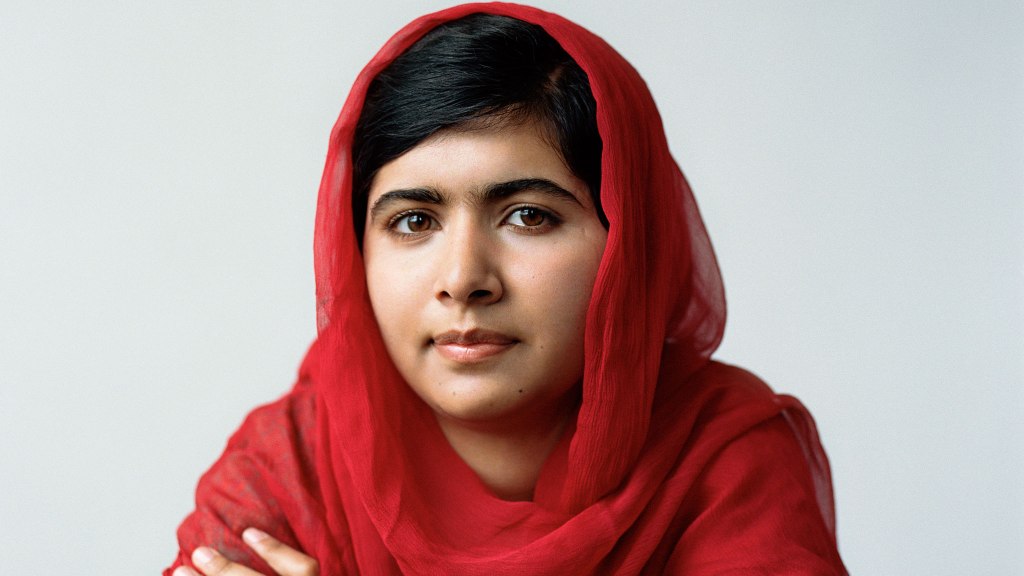
Malala Yousafzai was born on July 12, 1997, in Mingora, Pakistan. Growing up in the Swat Valley, she witnessed the gradual rise of the Taliban and their oppressive actions, particularly regarding education for girls. In defiance of the Taliban’s ban on girls’ education, Malala, along with her father, advocated for the rights of girls to receive an education.
At the age of 11, Malala started anonymously blogging for the BBC Urdu under a pseudonym, highlighting her experiences and the struggles faced by girls in the Swat Valley. Her outspoken activism caught the attention of both local and international media, making her a symbol of resistance and resilience.
However, in October 2012, Malala’s bravery and determination were put to the ultimate test. While returning home from school, she was targeted by the Taliban and shot in the head at close range. The attack left her critically injured and fighting for her life. However, Malala’s spirit remained unbroken.
After a remarkable recovery, Malala refused to be silenced. Instead, she became an even stronger advocate for girls’ education, raising her voice on a global scale. Her unwavering resilience and determination gained worldwide attention, and she became the youngest-ever recipient of the Nobel Peace Prize in 2014 at the age of 17.
Since then, Malala has continued her activism through the Malala Fund, an organization that works to ensure girls around the world receive 12 years of free, safe, quality education. She has traveled extensively, spoken at various international forums, and relentlessly championed the cause of education for all.
Malala’s story is a testament to the power of resilience in the face of adversity. Despite enduring a horrific attack, she emerged stronger, using her voice and platform to advocate for millions of girls who face similar challenges. Malala’s unwavering determination to overcome obstacles and create positive change serves as an inspiration for individuals worldwide, reminding us that even in the face of unimaginable adversity, resilience can empower us to rise above and make a lasting impact.
Voices Amplified: Advocating for Change
Women have long been at the forefront of social change, amplifying their voices to address pressing issues and effect lasting transformations. From fighting for reproductive rights to advocating for gender equality, women have been instrumental in reshaping societies. We showcase remarkable women who have harnessed their voices to challenge the status quo, shedding light on the power of advocacy and the ripple effect of their actions.
Rosa Parks, often referred to as the “Mother of the Civil Rights Movement,” was born on February 4, 1913, in Tuskegee, Alabama, USA. On December 1, 1955, in Montgomery, Alabama, Rosa Parks made a courageous decision that ignited a powerful movement for racial equality.
On that fateful day, Rosa Parks, an African American woman, refused to give up her seat to a white passenger on a segregated bus. Her act of peaceful defiance challenged the unjust laws of racial segregation and sparked a citywide bus boycott that lasted for over a year. This boycott, led by civil rights leaders such as Martin Luther King Jr., ultimately led to a Supreme Court ruling declaring segregation on public buses unconstitutional.
Rosa Parks’ bold action and her subsequent involvement in the civil rights movement made her a symbol of resistance and galvanized the voices of countless individuals advocating for racial equality. Her brave stance resonated across the nation and inspired a wave of protests, demonstrations, and activism that propelled the civil rights movement forward.
Throughout her life, Rosa Parks remained dedicated to fighting for justice and equality. She continued to amplify her voice, sharing her experiences, and advocating for civil rights and social change. Parks became an influential figure in the struggle for racial equality, lending her voice to campaigns against discrimination and working alongside other prominent civil rights activists.
Rosa Parks’ unwavering commitment to justice and her fearless advocacy for change have left an indelible mark on history. Her courage in speaking out against injustice and her determination to dismantle segregation continue to inspire individuals around the world to raise their voices and fight for a more equitable society.
Rosa Parks’ story serves as a powerful reminder that one person’s voice can ignite a movement and create lasting change. Through her actions, Rosa Parks demonstrated the transformative power of peaceful protest, giving hope to marginalized communities and leaving a profound legacy of advocacy that continues to resonate today.

Empowering Communities: Creating Sustainable Change
When women are empowered, entire communities flourish. Recognizing the interconnectedness of social progress, women worldwide have taken on the task of empowering their communities. Through initiatives in education, healthcare, and entrepreneurship, women have become catalysts for sustainable change. We highlight the remarkable endeavors of women who are creating positive and lasting impacts, elevating entire communities and fostering a brighter future.
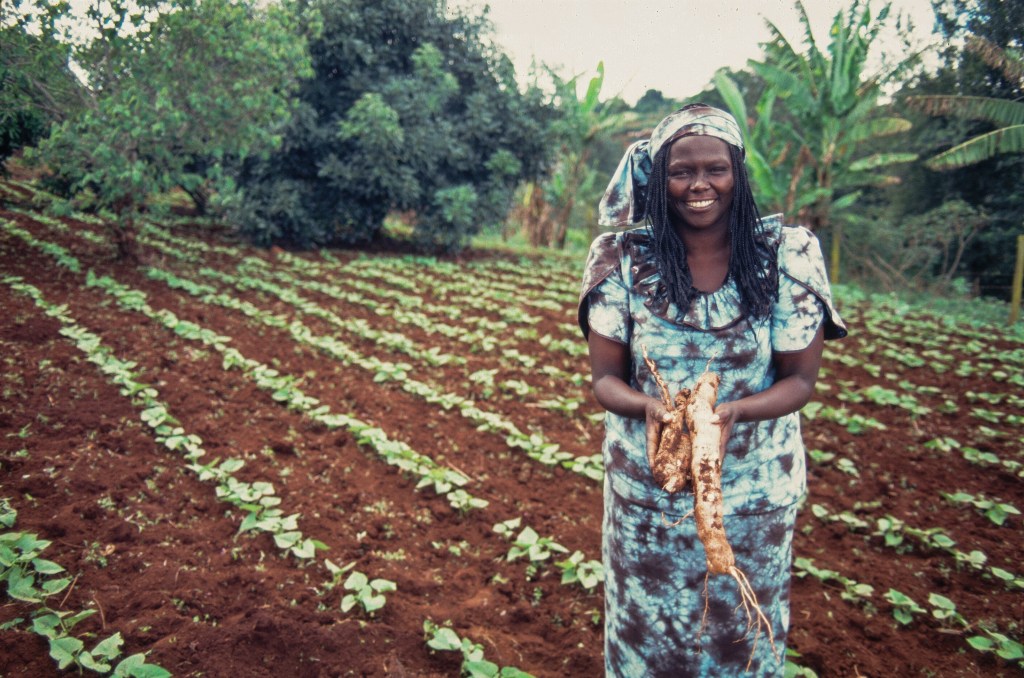
Wangari Maathai, born on April 1, 1940, in Kenya, was an environmentalist, activist, and Nobel laureate. She is best known for founding the Green Belt Movement, an organization dedicated to environmental conservation, community empowerment, and women’s rights.
In the 1970s, Maathai witnessed the detrimental effects of deforestation and environmental degradation on Kenyan communities, particularly rural women who relied on the land for sustenance and livelihoods. Motivated to address these issues, she initiated the Green Belt Movement in 1977, encouraging women to plant trees to combat deforestation while simultaneously fostering economic empowerment.
Through the Green Belt Movement, Maathai empowered communities, particularly women, by providing them with the tools, resources, and knowledge to plant and nurture trees. This initiative not only addressed environmental concerns but also had far-reaching social and economic impacts. The planting of trees helped restore degraded land, combat soil erosion, and enhance biodiversity, creating a sustainable environment for generations to come.
Moreover, the Green Belt Movement provided income-generating opportunities for women, as they were paid for the trees they planted and cared for. This economic empowerment contributed to poverty alleviation and improved the overall well-being of communities. Additionally, the movement emphasized the importance of education, advocating for environmental awareness and women’s rights, further empowering individuals to advocate for their own communities.
Wangari Maathai’s holistic approach to community empowerment through environmental conservation has had a profound and lasting impact. Her efforts resulted in the planting of millions of trees across Kenya and inspired similar movements in other parts of the world. She became the first African woman to receive the Nobel Peace Prize in 2004, recognizing her outstanding contributions to sustainable development, democracy, and peace.
Wangari Maathai’s legacy serves as a powerful example of how empowering communities and addressing environmental challenges can create lasting change. By recognizing the interconnectedness of environmental conservation, social justice, and economic empowerment, she transformed the lives of individuals and communities, leaving a significant impact on both the environment and the well-being of future generations.
Sisterhood Unleashed: Collaboration and Support
There is immense strength in unity, and women have embraced the power of sisterhood to uplift and empower one another. Through collaboration, mentorship, and support networks, women have fostered a sense of community that nourishes growth and resilience. We delve into the importance of sisterhood and the incredible impact it has on individual empowerment and collective progress.
In the late 19th and early 20th centuries, women around the world fought tirelessly for the right to vote and gender equality. The suffragettes, as they were called, formed a powerful sisterhood that united women from diverse backgrounds and rallied behind a common cause.
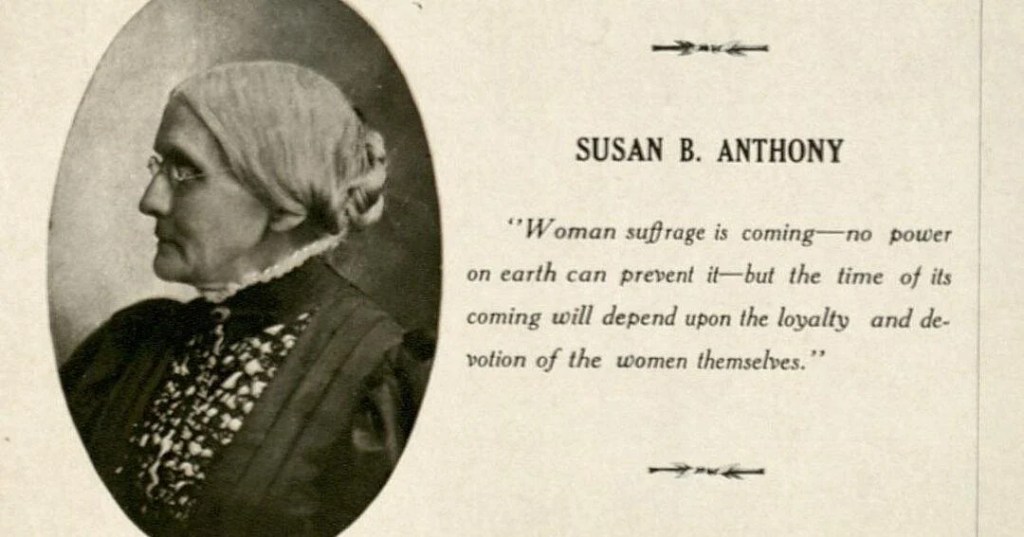
One notable suffragette was Susan B. Anthony, a prominent American suffragist who played a pivotal role in advancing women’s rights. Anthony co-founded the National Woman Suffrage Association in 1869, which advocated for a constitutional amendment granting women the right to vote. She tirelessly traveled, organized rallies, and gave speeches, inspiring women across the United States to join the fight for suffrage.
Another influential figure was Emmeline Pankhurst, a British suffragette who founded the Women’s Social and Political Union (WSPU) in 1903. Pankhurst and her fellow suffragettes employed direct action tactics, including protests, hunger strikes, and civil disobedience, to draw attention to their cause. Their actions led to increased awareness and support for women’s suffrage, helping to pave the way for the eventual granting of voting rights to women in the United Kingdom.
The suffragettes demonstrated the power of collaboration and support among women. They organized rallies, formed suffrage organizations, and worked together to challenge the status quo. Despite facing resistance, discrimination, and even violence, they persisted in their mission, supporting one another through solidarity and sisterhood.
The suffragettes’ collaboration extended beyond national borders. Women from different countries exchanged ideas, strategies, and support, forming an international network of activists. This collaboration helped fuel the momentum of the suffrage movement globally, with women supporting and inspiring each other across continents.
The suffragettes’ collective efforts, fueled by their sisterhood, led to significant advancements in women’s rights. Their unwavering dedication and collaboration helped break down barriers, challenge deeply ingrained societal norms, and eventually secure the right to vote for women in various countries.
The suffragettes’ legacy serves as a testament to the power of sisterhood, collaboration, and support among women. By coming together, sharing experiences, and advocating for change as a united front, they achieved historic milestones and created a foundation for future generations to continue the fight for gender equality. Their story inspires women today to support and uplift each other, knowing that collective action can create transformative change.
The power within women knows no bounds. As we celebrate the strength of women worldwide, we recognize that true empowerment lies in acknowledging and harnessing our collective potential. From defying expectations to overcoming adversity, women have shaped history, shattered glass ceilings, and paved the way for future generations. Let us continue to honor their extraordinary contributions, celebrate their resilience, and work hand in hand to create a world where the power within every woman is fully realized. Together, we can forge a future where every woman is empowered to unleash her innate strength and achieve greatness.
Remember, the power within you is an unstoppable force. Embrace it, celebrate it, and let it shine bright, for you are a part of a global sisterhood that stands strong and united.

