
In the dynamic realm of modern medicine, advancements are continuously being made to unlock the body’s incredible capacity for self-repair and regeneration. One such ground-breaking innovation that has captured the attention of healthcare professionals and patients alike is Platelet-rich Fibrin (PRF) treatments. PRF has emerged as a game-changer in regenerative medicine, offering a natural and promising approach to harnessing the body’s own healing potential.
From enhancing wound healing and promoting tissue regeneration to improving aesthetic outcomes, PRF treatments have found applications in various medical and dental specialties. Whether you’re seeking a solution for chronic wounds, oral surgery, orthopaedic procedures, or even facial rejuvenation, PRF is reshaping the landscape of regenerative therapies.
Today, we will delve into the world of PRF treatments, exploring their benefits, potential side effects, and the remarkable improvements they bring to patient outcomes. We will unravel the science behind PRF, understand its mechanism of action, and discover how it has gained prominence as a preferred treatment modality among healthcare professionals worldwide.
Join us as we embark on an enlightening journey through the realms of PRF treatments. We will explore the historical origins, delve into the science behind this remarkable therapy, examine its applications across various medical fields, and provide you with valuable insights to make informed decisions about your healthcare.
Prepare to be captivated by the potential of PRF treatments and how they are shaping the future of regenerative medicine. Unlock the secrets of this transformative therapy and discover how it can empower your body’s natural healing processes like never before.
Stay tuned for our upcoming articles as we explore the benefits, side effects, dangers, and overall improvements associated with PRF treatments. Together, let’s unravel the fascinating world of PRF and witness the transformative potential it holds in revolutionizing the way we approach healing and regeneration.
Disclaimer: The information provided in this blog is for educational purposes only and should not be considered as medical advice. It is essential to consult with a qualified healthcare professional for personalized guidance and treatment recommendations based on your specific condition.

What is PRF?
PRF stands for Platelet-rich Fibrin. It is a biological product derived from the patient’s own blood. PRF is created by centrifuging a blood sample to separate its components into distinct layers. The middle layer, known as the PRF clot, contains a concentrated mixture of platelets, growth factors, and cytokines.
The process of creating PRF involves minimal manipulation of the blood sample, as it does not require the addition of anticoagulants or chemical agents. This makes PRF a natural and autologous (derived from the patient’s own body) treatment option.
PRF is different from platelet-rich plasma (PRP), another regenerative therapy derived from blood. While both PRF and PRP utilize platelets and growth factors, PRF also contains fibrin, which forms a scaffold-like structure that helps in the release and sustained delivery of growth factors at the treatment site. This fibrin matrix contributes to the regenerative properties of PRF.
PRF has applications in various medical and dental fields. It is commonly used in oral surgery, periodontics, orthopaedics, dermatology, and plastic surgery. The concentrated growth factors in PRF have shown potential in promoting tissue healing, reducing inflammation, and enhancing the regeneration of bone and other tissues.
As PRF is derived from the patient’s own blood, the risk of allergic reactions or rejection is minimal. It is a safe and biocompatible treatment option. PRF can be prepared chairside within a short period, making it a convenient and readily available therapy.
It’s important to consult with a qualified healthcare professional to determine if PRF is suitable for a specific condition and to discuss the potential benefits and risks associated with the treatment.
History of PRF treatments on a global scale
Platelet-rich Fibrin (PRF) treatments have gained significant attention and popularity in the field of regenerative medicine and have been used globally for various medical and dental applications. While the exact origin of PRF can be attributed to specific researchers and practitioners, its history on a global scale can be summarized as follows:
- Development and Introduction: PRF was first introduced by French physician Dr. Joseph Choukroun and his colleagues in 2001 as an improvement over platelet-rich plasma (PRP) therapy. They developed a protocol for preparing PRF, which involved centrifuging the patient’s blood to obtain a fibrin clot rich in platelets and growth factors. This innovation was seen as a more advanced and natural approach to utilizing the regenerative properties of blood components.
- Increasing Popularity and Adoption: Following its initial introduction, PRF gained popularity within the medical and dental communities worldwide. The simplicity of the preparation protocol, along with its potential therapeutic benefits, led to a growing interest in PRF treatments among healthcare professionals. Its versatility and broad applications across different specialties further contributed to its widespread adoption.
- Research and Clinical Studies: Over the years, numerous research studies and clinical trials have been conducted to explore the efficacy and effectiveness of PRF treatments in various fields. These studies have investigated PRF’s role in wound healing, oral surgery, periodontics, orthopaedics, dermatology, plastic surgery, and more. The findings from these studies have provided valuable insights into the potential benefits and optimal utilization of PRF.
- Advancements in Techniques and Protocols: As PRF gained popularity, healthcare professionals and researchers worldwide have continued to refine the preparation techniques and treatment protocols. This has led to the development of variations such as advanced PRF (A-PRF), concentrated growth factors (CGF), and injectable PRF (i-PRF), each with its unique characteristics and applications.
- Global Application and Integration: PRF treatments have been widely adopted and integrated into clinical practice globally. They are now considered a part of routine treatment protocols in many medical and dental specialties. From oral and maxillofacial surgeries to orthopaedic procedures, dermatological applications, and even cosmetic treatments, PRF has found its place in various therapeutic settings worldwide.
The global use of PRF continues to evolve, with ongoing research and advancements in the field. As more healthcare professionals recognize its potential and patient demand grows, PRF treatments are expected to further expand and contribute to regenerative medicine practices on a global scale.
What does PRF do?
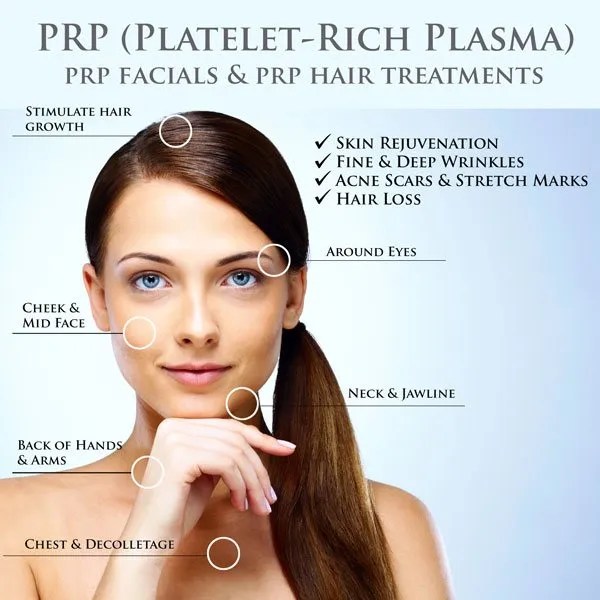
PRF (Platelet-rich Fibrin) serves as a regenerative treatment that utilizes the healing properties of a patient’s own blood components to promote tissue repair and regeneration. When PRF is applied at a treatment site, it can provide various therapeutic effects:
- Growth factor release: PRF contains a concentrated amount of platelets, which are rich in growth factors such as platelet-derived growth factor (PDGF), transforming growth factor-beta (TGF-β), vascular endothelial growth factor (VEGF), and insulin-like growth factor (IGF). These growth factors play a crucial role in stimulating cell proliferation, angiogenesis (formation of new blood vessels), and tissue regeneration.
- Accelerated wound healing: PRF promotes the body’s natural healing process by enhancing the migration and proliferation of cells involved in tissue repair, such as fibroblasts, endothelial cells, and osteoblasts. This can lead to faster healing of wounds, injuries, and surgical sites.
- Anti-inflammatory effects: PRF has anti-inflammatory properties that can help reduce inflammation at the treatment site. It modulates the immune response, reducing the release of inflammatory cytokines and promoting a more balanced inflammatory environment.
- Enhanced tissue regeneration: The growth factors present in PRF can stimulate the regeneration and differentiation of various cells, including bone cells (osteoblasts), cartilage cells (chondrocytes), and skin cells (fibroblasts and keratinocytes). This can aid in the regeneration of damaged or degenerated tissues.
- Improved vascularization: PRF promotes angiogenesis, which is crucial for supplying oxygen and nutrients to healing tissues. The growth factors in PRF stimulate the formation of new blood vessels, enhancing the vascularization of the treated area and supporting tissue regeneration.
- Reduced scarring: PRF has been shown to have anti-scarring effects, promoting more natural healing and reducing the formation of excessive scar tissue. This can lead to improved cosmetic outcomes and functional recovery.
- Pain reduction: PRF treatments have demonstrated the potential to reduce pain in various conditions, including musculoskeletal injuries, osteoarthritis, and oral surgeries. The analgesic effect of PRF may be attributed to its anti-inflammatory properties and the release of growth factors that promote tissue healing.
It’s important to note that the specific effects of PRF may vary depending on the treatment site and the individual patient. The application of PRF should always be performed by qualified healthcare professionals who can determine the appropriate treatment protocol for each patient’s unique needs.

What are the benefits of PRF?
PRF (Platelet-rich Fibrin) treatments offer several benefits across various medical and dental applications. Here are some of the potential benefits of PRF:
- Enhanced tissue healing: PRF contains a concentrated amount of platelets and growth factors, which can accelerate the healing process and promote tissue regeneration. This can be beneficial for both acute injuries and chronic conditions.
- Reduced inflammation: PRF has anti-inflammatory properties that can help decrease inflammation at the treatment site. This can alleviate pain, swelling, and discomfort associated with certain conditions or post-surgical healing.
- Natural and autologous treatment: PRF is derived from the patient’s own blood, making it a safe and biocompatible treatment option. There is no risk of allergic reactions or rejection, as it utilizes the patient’s own biological materials.
- Versatility: PRF can be used in various medical and dental fields, including oral surgery, periodontics, orthopaedics, dermatology, and plastic surgery. It has applications in bone grafting, wound healing, tissue regeneration, and more.
- Minimal risk of infections: As PRF is prepared from the patient’s own blood using sterile techniques, the risk of infections is minimized. This makes PRF a safer alternative to treatments involving donor blood products.
- Non-invasive procedure: PRF treatments are minimally invasive and typically do not require surgery. This can reduce the risks associated with invasive procedures and allow for faster recovery times.
- Customizable treatment: PRF can be tailored to meet the specific needs of each patient. The concentration and composition of PRF can be adjusted based on the desired therapeutic goals, making it a personalized treatment option.
- Improved grafting outcomes: PRF can enhance the success rate of tissue grafts, such as bone grafts and skin grafts. It provides a scaffold-like structure that supports cell migration and tissue integration, improving graft viability.
- Faster recovery times: The regenerative properties of PRF can expedite the healing process, leading to shorter recovery periods. This can allow patients to return to their normal activities more quickly.
- Potential for reduced scarring: PRF treatments have shown promise in minimizing scar formation and promoting more natural healing outcomes. This can be particularly beneficial in aesthetic procedures and wound healing.
It’s important to note that while PRF has demonstrated these benefits in various studies and clinical applications, individual results may vary. Consulting with a qualified healthcare professional is essential to determine the suitability of PRF for specific conditions and to discuss the potential benefits and risks associated with the treatment.
What is the process of getting a PRF procedure?
The process of getting a PRF (Platelet-rich Fibrin) procedure typically involves the following steps:
- Initial Consultation: The first step is to schedule a consultation with a qualified healthcare professional who specializes in PRF treatments. This could be a dentist, oral surgeon, orthopaedic surgeon, dermatologist, or another healthcare provider, depending on the specific treatment area.
- Medical Evaluation: During the consultation, the healthcare professional will evaluate your medical history and conduct a physical examination to determine your eligibility for PRF treatment. They will assess your specific condition or concern and discuss your treatment goals and expectations.
- Blood Collection: If you are deemed a suitable candidate for PRF, a blood sample will be collected from your arm, similar to a routine blood test. The healthcare professional will use sterile techniques to ensure the sample’s integrity and minimize the risk of contamination.
- Centrifugation: The collected blood sample is then placed in a centrifuge machine. The centrifuge rapidly spins the blood, separating it into its different components based on their densities. This process typically takes around 10-15 minutes.
- PRF Preparation: Once the centrifugation is complete, the blood will be separated into distinct layers. The middle layer, known as the PRF clot, contains platelets, growth factors, and fibrin. The healthcare professional carefully collects the PRF clot using sterile instruments.
- Application: The PRF clot is then applied directly to the treatment site. Depending on the procedure, this could involve injecting PRF into specific areas, placing it over a surgical site, or incorporating it into a grafting material. The healthcare professional will ensure proper placement and coverage of the treatment area.
- Post-Treatment Care: After the PRF procedure, the healthcare professional will provide instructions for post-treatment care. This may include guidelines on oral hygiene, wound care, activity restrictions, and any necessary medications. It’s important to follow these instructions to optimize healing and maximize the benefits of the PRF treatment.
- Follow-up Appointments: Depending on the nature of the treatment, you may be scheduled for follow-up appointments to monitor your progress and assess the effectiveness of the PRF treatment. These appointments allow the healthcare professional to make any necessary adjustments or provide additional treatments as needed.
It’s important to note that the specifics of the PRF procedure may vary depending on the treatment area and the healthcare professional’s preferences. The above steps provide a general overview, but it’s essential to consult with your healthcare provider for personalized information and instructions regarding your PRF procedure.

Who would benefit most from PRF treatments?
PRF (Platelet-rich Fibrin) treatments can benefit a wide range of individuals across different medical and dental fields. The following groups of people may particularly benefit from PRF treatments:
- Patients undergoing oral and maxillofacial surgeries: PRF can be beneficial for patients undergoing tooth extractions, dental implant placement, bone grafting, sinus lifts, and other oral and maxillofacial surgeries. It can aid in the healing process, reduce post-operative complications, and enhance tissue regeneration.
- Individuals with chronic wounds or ulcers: PRF has shown promise in promoting wound healing, making it beneficial for patients with chronic wounds, diabetic foot ulcers, venous ulcers, pressure ulcers, and other non-healing wounds. It can accelerate the healing process, reduce infection risk, and improve tissue regeneration.
- Athletes and individuals with sports injuries: PRF treatments can be advantageous for athletes and individuals with sports-related injuries. It can aid in the healing of ligament sprains, muscle strains, tendon injuries (such as Achilles tendonitis), and joint injuries by promoting tissue repair and reducing recovery time.
- Patients undergoing orthopaedic procedures: PRF can be beneficial for patients undergoing orthopaedic procedures, such as joint arthroscopy, ligament reconstructions, and meniscus repairs. It may assist in reducing inflammation, promoting tissue healing, and enhancing post-operative recovery.
- Individuals with musculoskeletal conditions: PRF treatments have shown potential in managing various musculoskeletal conditions, including osteoarthritis, tendinopathies (such as tennis elbow and rotator cuff injuries), and degenerative joint diseases. It can provide pain relief, reduce inflammation, and support tissue regeneration.
- Patients seeking facial rejuvenation: PRF treatments can be used in cosmetic dermatology and plastic surgery to promote skin rejuvenation, reduce fine lines and wrinkles, and improve skin texture and tone. It can enhance collagen production, stimulate tissue regeneration, and provide a more youthful appearance.
- Individuals with hair loss or thinning: PRF has shown promising results in stimulating hair growth and improving hair density in patients with androgenetic alopecia (pattern hair loss). It can promote hair follicle regeneration, increase blood supply to the scalp, and improve the overall quality of the hair.
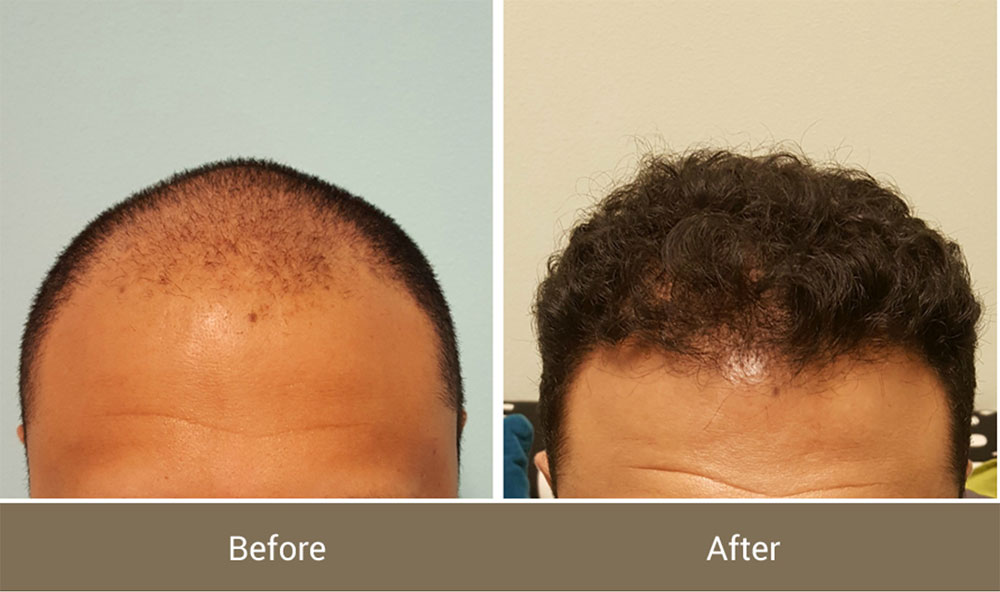

It’s important to note that the suitability of PRF treatments may vary depending on individual circumstances and specific conditions. Consulting with a qualified healthcare professional is crucial to determine if PRF is an appropriate treatment option for a particular case and to discuss the potential benefits and risks associated with the procedure.
What are some of the side effects or negative reactions to expect from PRF treatments?
PRF (Platelet-rich Fibrin) treatments are generally safe and well-tolerated, as they utilize the patient’s own blood components. However, like any medical procedure, there can be potential side effects or negative reactions associated with PRF treatments. It’s important to be aware of these possibilities. Here are some of the potential side effects or negative reactions:
- Pain or discomfort: It is common to experience mild pain or discomfort at the treatment site after a PRF procedure. This can be managed with over-the-counter pain medications or as advised by your healthcare provider.
- Swelling and bruising: Some individuals may experience localized swelling and bruising at the site where PRF was applied. This is typically temporary and should subside within a few days or weeks.
- Infection: While the risk of infection is minimal with PRF treatments since it is derived from the patient’s own blood, there is still a possibility of infection if proper sterile techniques are not followed during the procedure. It is important to ensure that the healthcare provider follows strict aseptic protocols to minimize the risk of infection.
- Allergic reactions: Allergic reactions are rare with PRF treatments since it uses the patient’s own blood components. However, in extremely rare cases, individuals may have an allergic response to local anaesthetics or other medications used during the procedure. Inform your healthcare provider about any known allergies or sensitivities you have.
- Adverse tissue reactions: Although uncommon, some individuals may experience adverse reactions to PRF, such as tissue necrosis (death of tissue), graft failure, or abnormal tissue response. These complications are rare but can occur in certain circumstances.
- Unsatisfactory results: PRF treatments may not always achieve the desired outcome. The effectiveness of PRF can vary depending on the specific condition being treated and individual patient factors. It’s important to have realistic expectations and discuss potential outcomes with your healthcare provider.
It’s crucial to consult with a qualified healthcare professional who is experienced in PRF treatments to minimize the risk of side effects and ensure appropriate treatment. They can provide personalized information about the potential risks and benefits based on your specific condition and medical history.

Who should avoid getting PRF treatments?
While PRF (Platelet-rich Fibrin) treatments are generally safe and well-tolerated, there are certain situations where individuals may be advised to avoid or postpone PRF treatments. It’s important to consult with a qualified healthcare professional to determine if PRF is appropriate for your specific circumstances. Here are some general factors that may warrant caution or contraindicate PRF treatments:
- Blood disorders and bleeding tendencies: Individuals with blood disorders, bleeding disorders (such as haemophilia), or those who are taking blood-thinning medications (e.g., anticoagulants) may need to avoid PRF treatments. These conditions can increase the risk of excessive bleeding or interfere with the clotting process involved in PRF therapy.
- Active infections: PRF treatments are generally contraindicated in the presence of active infections at the treatment site. Treating an infected area with PRF can potentially worsen the infection or hinder the healing process. In such cases, the infection should be appropriately managed before considering PRF treatment.
- Systemic diseases and medical conditions: Certain systemic diseases or medical conditions may require careful evaluation and consideration before undergoing PRF treatments. Examples include uncontrolled diabetes, certain autoimmune disorders, active cancer, severe cardiovascular diseases, and chronic liver or kidney diseases. Your healthcare provider will assess your specific condition and medical history to determine the suitability of PRF treatments.
- Pregnancy and breastfeeding: Limited data is available on the safety of PRF treatments during pregnancy and breastfeeding. As a precautionary measure, it is often recommended to avoid PRF treatments during these periods. It’s essential to consult with your healthcare provider and discuss any potential risks or concerns.
- Allergies or sensitivities: Individuals with known allergies or sensitivities to any components used during the PRF procedure, such as local anaesthetics or medications, should inform their healthcare provider. Alternative treatment options may be considered to minimize the risk of adverse reactions.
- Poor overall health: Individuals with compromised immune systems, severe chronic illnesses, or poor overall health may need to exercise caution with PRF treatments. It’s crucial to have a comprehensive evaluation of your health status and discuss potential risks and benefits with your healthcare provider.
Each case is unique, and the decision to proceed with PRF treatment should be made in consultation with a qualified healthcare professional who can evaluate your individual circumstances and provide personalized recommendations.

Caring tips for your skin after getting a PRF treatment
After undergoing a PRF (Platelet-rich Fibrin) treatment for your skin, it is important to follow proper care and hygiene to optimize healing and maximize the benefits of the procedure. Here are some caring tips to consider:
- Follow post-treatment instructions: Listen carefully to the instructions provided by your healthcare professional after the PRF treatment. They will provide specific guidelines tailored to your condition and treatment area. Follow these instructions diligently for the best possible outcomes.
- Keep the treated area clean: Maintain cleanliness in the treated area to prevent infection and promote healing. Gently cleanse the area as instructed by your healthcare professional using a mild, non-irritating cleanser. Avoid harsh scrubbing or rubbing that could disrupt the healing process.
- Avoid touching or picking at the area: Refrain from touching or picking at the treated area to prevent introducing bacteria or causing trauma to the healing skin. Let the PRF work its magic without interference.
- Protect the skin from excessive sun exposure: Shield the treated area from direct sunlight, as UV rays can be damaging and hinder the healing process. Apply a broad-spectrum sunscreen with a high SPF to the treated area when going outside. Consider wearing a hat or using physical barriers like clothing to provide additional protection.
- Moisturize the skin: Depending on your healthcare professional’s recommendation, apply a gentle, non-comedogenic moisturizer to the treated area. Moisturizing can help keep the skin hydrated and aid in the healing process. Choose a product without harsh chemicals or fragrances that could irritate the skin.
- Avoid strenuous activities and excessive sweating: To prevent excessive swelling and disruption of the treated area, avoid strenuous activities, heavy lifting, and activities that cause excessive sweating for the recommended duration provided by your healthcare professional.
- Be mindful of your skincare routine: During the healing period, it is advisable to avoid using harsh exfoliants, strong chemical peels, or aggressive skincare products on the treated area. Stick to gentle, non-irritating products that are suitable for sensitive skin.
- Stay hydrated and maintain a healthy lifestyle: Drink plenty of water to keep your body hydrated, as this can contribute to overall skin health. Maintain a balanced diet rich in vitamins, minerals, and antioxidants to support the healing process and promote optimal skin health.
- Attend follow-up appointments: Keep your scheduled follow-up appointments with your healthcare professional. They will assess the progress of your healing and address any concerns or questions you may have.
Remember, every individual and PRF treatment is unique, so it’s essential to consult with your healthcare professional for personalized aftercare instructions and to address any specific concerns you may have.
In conclusion, Platelet-rich Fibrin (PRF) treatments have emerged as a remarkable breakthrough in regenerative medicine, harnessing the power of the body’s own healing mechanisms to promote tissue regeneration and improve patient outcomes. Throughout this blog post, we have explored the benefits, potential side effects, and the transformative potential of PRF treatments.
From its humble beginnings to its global adoption, PRF has revolutionized the field of regenerative therapies. Its versatility and wide-ranging applications have garnered the attention of healthcare professionals and patients worldwide. Whether it’s accelerating wound healing, enhancing oral surgeries, facilitating orthopaedic procedures, or rejuvenating the skin, PRF has proven to be a valuable tool in the pursuit of optimal healing and regeneration.
However, it is important to remember that PRF treatments are not without their considerations. While generally safe, there can be potential side effects and contraindications that must be evaluated on an individual basis. Consulting with a qualified healthcare professional is crucial to determine if PRF is the right option for your specific condition.
We hope that this has provided you with valuable insights into the world of PRF treatments. Our aim has been to educate and empower you with knowledge to make informed decisions about your healthcare journey. By understanding the benefits, risks, and overall improvements associated with PRF, you are better equipped to navigate the realm of regenerative medicine.
Thank you for joining us on this enlightening journey through the realm of PRF treatments. We invite you to continue exploring the fascinating world of medical advancements and emerging therapies that hold the potential to transform lives. Stay curious, stay informed, and always consult with your healthcare professional for personalized guidance on your healthcare needs.
Together, let us embrace the future of regenerative medicine and unlock the incredible healing potential that lies within us.
Thank you for reading.
Disclaimer: The information provided in this blog post is for educational purposes only and should not be considered as medical advice. It is essential to consult with a qualified healthcare professional for personalized guidance and treatment recommendations based on your specific condition.
For more reading:
- Choukroun J, Diss A, Simonpieri A, et al. Platelet-rich fibrin (PRF): a second-generation platelet concentrate. Part IV: clinical effects on tissue healing. Oral Surg Oral Med Oral Pathol Oral Radiol Endod. 2006;101(3):e56-60.
- Dohan Ehrenfest DM, Del Corso M, Kang BS, et al. The impact of the centrifuge characteristics and centrifugation protocols on the cells, growth factors, and fibrin architecture of a leukocyte- and platelet-rich fibrin (L-PRF) clot and membrane. Platelets. 2018;29(2):171-184.
- Ghanaati S, Booms P, Orlowska A, et al. Advanced platelet-rich fibrin: a new concept for cell-based tissue engineering by means of inflammatory cells. J Oral Implantol. 2014;40(6):679-689.
- El Bagdadi K, Kubesch A, Yu X, et al. Reduction of relative centrifugation force within injectable platelet-rich-fibrin (PRF) concentrates advances patients’ own inflammatory cells, platelets and growth factors: the first introduction to the low speed centrifugation concept. Eur J Trauma Emerg Surg. 2017;43(2):269-287.
- Kobayashi M, Kawase T, Horimizu M, et al. A proposed protocol for the standardized preparation of PRF membranes for clinical use. Biologicals. 2012;40(5):323-329.
- Ehrenfest DM, Bielecki T, Jimbo R, et al. Do the fibrin architecture and leukocyte content influence the growth factor release of platelet concentrates? An evidence-based answer comparing a pure platelet-rich plasma (P-PRP) gel and a leukocyte- and platelet-rich fibrin (L-PRF). Curr Pharm Biotechnol. 2012;13(7):1145-1152.
- Sohn DS, Huang B, Kim J, et al. Platelet-rich plasma (PRP) promotes bone formation by increasing the proliferation of osteoblasts through the activation of Runx2/SATB2. Int J Mol Med. 2016;37(2):329-338.
- Rodella LF, Favero G, Boninsegna R, et al. Growth factors, CD34-positive cells, and fibrin network analysis in concentrated growth factors fraction. Microsc Res Tech. 2011;74(8):772-777.
- Simonpieri A, Choukroun J, Del Corso M, et al. The relevance of Choukroun’s platelet-rich fibrin and metronidazole during complex maxillary rehabilitations using bone allograft. Part II: implant surgery, prosthodontics, and survival. Implant Dent. 2009;18(3):220-229.
- Wu CL, Lee SS, Tsai CH, et al. Platelet-rich fibrin increases cell attachment, proliferation and collagen-related protein expression of human osteoblasts. Aust Dent J. 2012;57(2):207-212.
Please note that these references are provided for informational purposes and to support further research. It is always advisable to consult additional sources and scientific literature to gain a comprehensive understanding of PRF treatments.
 MimiiMeis