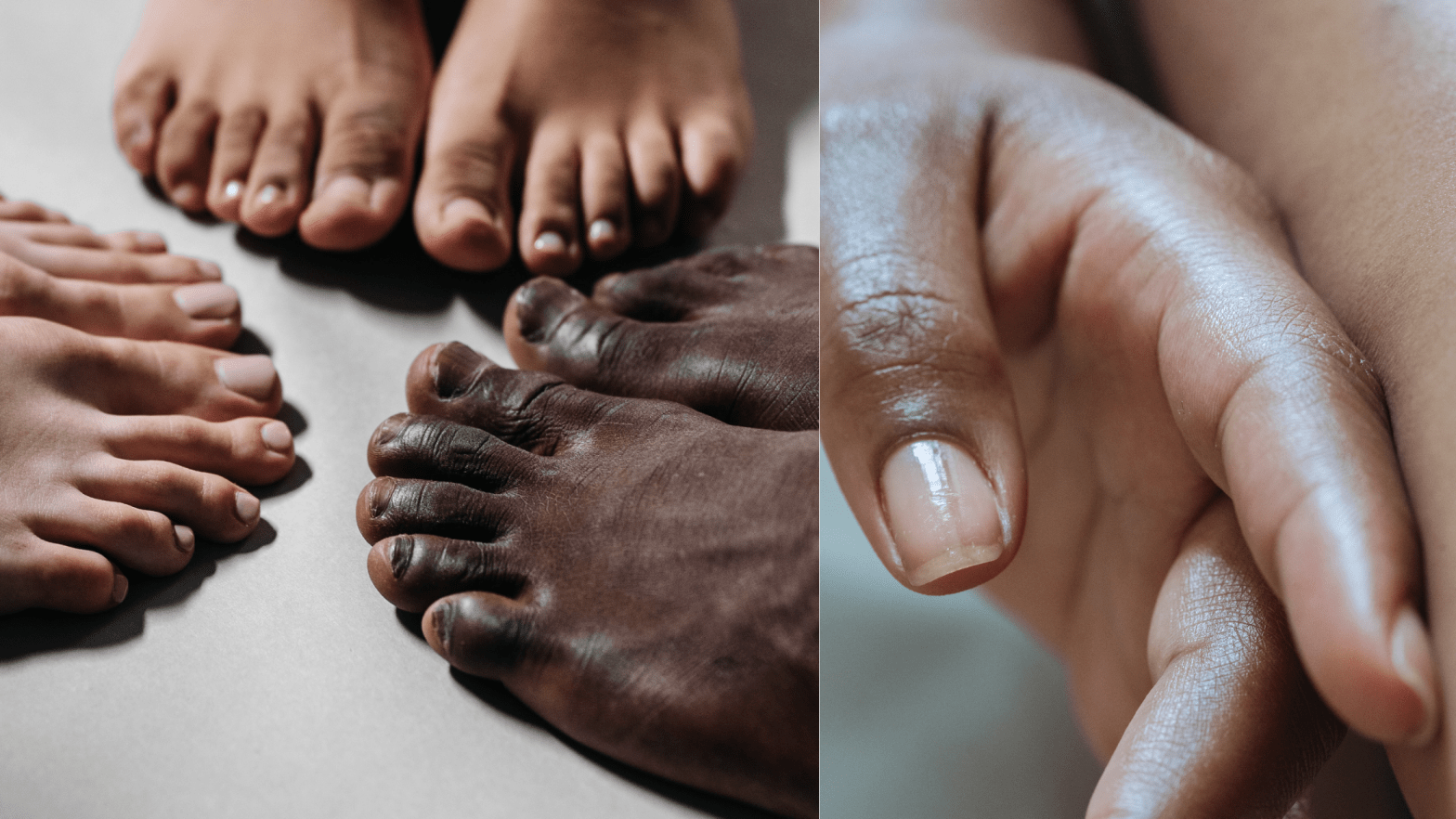
Nail health is a topic that often gets overlooked, but it is essential to pay attention to the condition of our nails as they can provide valuable insights into our overall health. Your nails can reveal potential deficiencies or underlying medical conditions.
Brittle nails, for example, could be a sign of a lack of moisture in the nails or inadequate nutrition. It is important to ensure that we are getting enough nutrients, such as biotin, iron, and vitamins A and C, to promote strong and healthy nails. Applying a moisturizing nail cream and avoiding harsh chemicals can also help prevent brittleness.
Discoloration or yellowing of the nails may indicate a fungal infection or a potential liver condition. If you notice any discoloration, it is advisable to seek medical advice to determine the cause and appropriate treatment.
Ridges or indentations in the nails can be a result of various factors such as aging, trauma, or nutritional deficiencies. Consuming a well-balanced diet and protecting your nails from excessive trauma or pressure can contribute to healthier nails.
Another common issue is nail pitting, characterized by small depressions or dents on the nail surface. This can be associated with several conditions, including psoriasis or certain types of arthritis. Consulting a healthcare professional is recommended to determine the underlying cause and appropriate management.
Maintaining proper nail hygiene is crucial for overall nail health. Regularly trimming and filing your nails, avoiding biting or picking at them, and keeping them clean and dry can help prevent infections and promote healthy growth.
Remember, our nails are not just for aesthetic purposes but can serve as a window into our well-being. By paying attention to the condition of our nails and addressing any issues promptly, we can help maintain optimal nail health and overall wellness.
Discoloration:
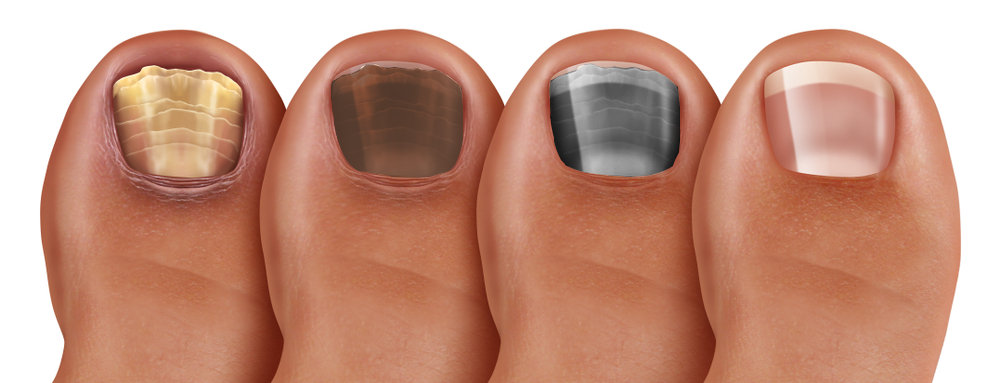
Discoloration of the nails is a common nail problem that can have several underlying causes. Yellow or brown nails are often a sign of a fungal infection called onychomycosis. This condition is caused by fungi that thrive in warm, moist environments and can be contracted through nail salons, communal showers, or by sharing nail clippers or files with someone who has the infection.
If left untreated, onychomycosis can lead to nail thickening, crumbling, and even loss of the nail. It is important to seek medical attention if you suspect a fungal infection in your nails to prevent further complications. Your doctor may prescribe antifungal medication or suggest topical treatments to help eliminate the infection.
In some cases, yellow nails can also be a sign of a more serious underlying health condition. Liver disease, such as hepatitis, can cause changes in the color and texture of the nails. Lung disease, like chronic obstructive pulmonary disease (COPD), can also lead to yellow nails. If you notice persistent yellow discoloration in your nails along with other symptoms such as fatigue, jaundice, or difficulty breathing, it is important to consult with a healthcare professional to determine the underlying cause.
Maintaining good nail hygiene is essential in preventing nail discoloration and infections. Keep your nails clean and dry, avoid sharing nail care tools, and wear protective gloves when working with water or chemicals. Regularly trim and file your nails to prevent dirt and bacteria from accumulating under them. If you frequent nail salons, ensure that they follow proper sanitization practices to reduce the risk of fungal infections.
Remember, while nail discoloration can often be attributed to a harmless fungal infection, it is always important to monitor changes in your nails and seek appropriate medical advice if you are concerned.
Brittleness
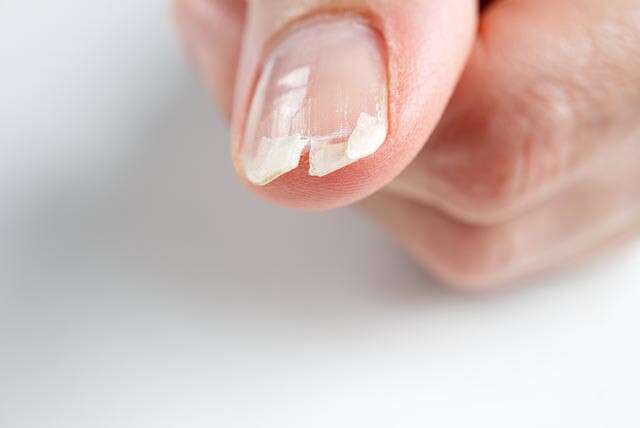
Brittle nails, also known as onychoschizia, are a common condition that affects many people. They are characterized by nails that break, peel, or split easily, making them appear weak and fragile. This can be a frustrating problem for individuals who take pride in their nail health and appearance.
One of the leading causes of brittle nails is exposure to harsh chemicals. Cleaning products, such as detergents and solvents, can strip the nails of their natural oils and moisture, leaving them dry and prone to breakage. Similarly, repeated contact with water, particularly hot water, can dehydrate the nails and contribute to their brittleness.
In some cases, brittle nails can be a sign of an underlying health issue. One such condition is hypothyroidism, or an underactive thyroid. The health of our nails is often influenced by our overall well-being, and changes in nail texture, thickness, and strength can serve as indicators of various systemic conditions.
Fortunately, there are measures that can be taken to improve the strength and resilience of brittle nails. Maintaining a healthy diet rich in essential nutrients, such as protein, biotin, and vitamins A and E, can promote nail health. Applying a moisturizing nail cream or oil regularly can help hydrate and nourish the nails, reducing brittleness. Avoiding excessive exposure to water and wearing protective gloves when using chemicals can also prevent further damage.
It’s important to note that everyone’s nails are unique, and what works for one person may not work for another. If brittle nails persist or worsen despite efforts to improve their condition, it may be advisable to consult a dermatologist or healthcare professional for a more comprehensive evaluation and personalized guidance.
Remember, healthy nails are not only aesthetically pleasing but can also serve as an indication of our overall well-being. Taking care of our nails is an essential aspect of self-care, and addressing the issue of brittle nails can help restore their strength and beauty.
White spots
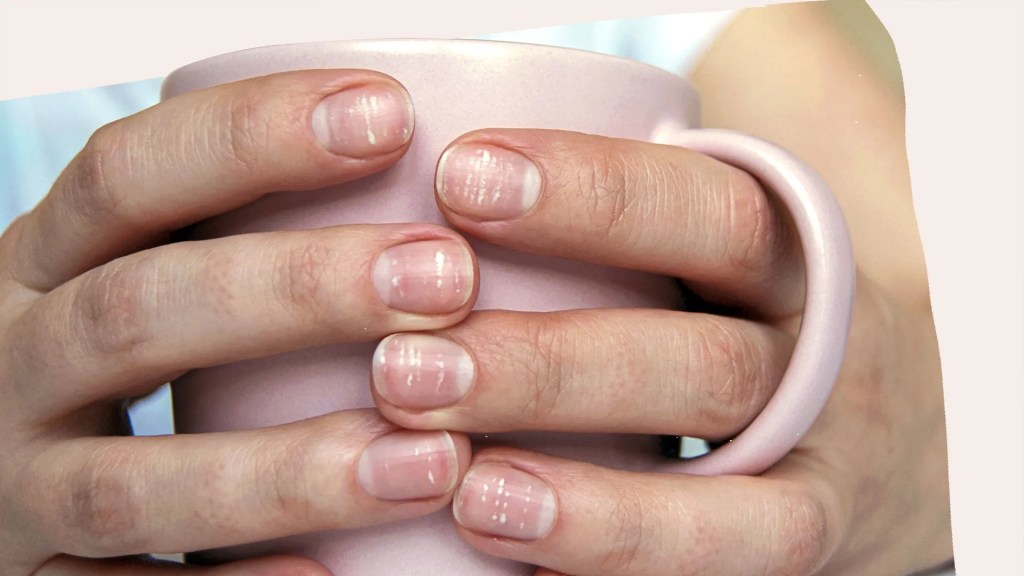
White spots on the nails, also known as leukonychia, can be quite a common occurrence and often cause confusion. Contrary to popular belief, these white spots are not necessarily a sign of a calcium deficiency. Instead, they are usually harmless and typically appear as a result of minor trauma or injury to the nail.
These small imperfections can occur when the nail gets bumped or experiences some form of trauma, such as hitting your finger or toe against a hard object. The impact can disrupt the nail’s keratin formation process, leading to the development of white spots. The spots might appear on one or more nails and can vary in size and shape.
Although their appearance might be worrisome, it is essential to understand that these spots often pose no significant health concerns. In the majority of cases, they will gradually disappear as the affected nail grows out over time.
However, if the white spots are continuously appearing or showing up in combination with other symptoms, it may be a good idea to consult a healthcare professional or dermatologist. They can assess your specific situation, rule out any underlying conditions, and provide appropriate advice or treatment options if needed.
Remember, maintaining overall nail health is crucial in minimizing the occurrence of white spots. This includes practicing good nail hygiene, avoiding aggressive manicure practices, and protecting your nails from unnecessary trauma. In most instances, being mindful of these factors should help prevent and reduce the appearance of these harmless white spots on your nails.
Ingrown nails
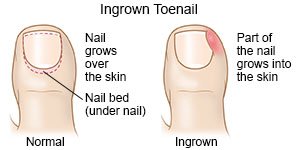
An ingrown nail, also known as onychocryptosis, is a condition that occurs when the edge of the nail grows into the surrounding skin, causing discomfort and potential complications. This common nail problem can cause pain, tenderness, redness, swelling, and even infection if left untreated.
There are several factors that can contribute to the development of an ingrown nail. One of the main causes is improper nail trimming, where a nail is cut too short or at an angle, leading to the nail penetrating the adjacent skin. Wearing tight shoes, particularly those with narrow toe boxes, can also exert pressure on the toes and contribute to the development of ingrown nails. Additionally, individuals with naturally curved or thick nails are more prone to experiencing this condition.
When an ingrown nail occurs, it is important to take prompt action to prevent further discomfort and complications. One common home remedy involves soaking the affected toe in warm water for about 15-20 minutes several times a day. This helps reduce inflammation and softens the skin, making it easier to gently lift the ingrown edge of the nail away from the skin using a clean cotton swab or a dental floss.
It is advisable to avoid tight-fitting shoes and opt for open-toed or wider footwear to relieve pressure on the affected area. Applying a topical antibiotic ointment can help prevent infection and promote healing. In more severe cases where conservative measures are ineffective, or if there is an infection present, it may be necessary to seek medical attention. A healthcare professional can provide proper treatment, which may include partially or completely removing the ingrown nail.
To prevent future occurrences of ingrown nails, practicing good foot hygiene is essential. This includes trimming nails straight across and not too short, avoiding picking or tearing at the nails, and wearing properly fitted shoes with adequate room for the toes to move freely.
Remember, early intervention and proper care can help alleviate the discomfort associated with ingrown nails and prevent complications. If you have concerns about an ingrown nail, it is always best to consult with a healthcare professional for an accurate diagnosis and appropriate treatment plan.
Taking care of your nails is crucial to avoiding common issues that can cause discomfort and pain. If you notice any changes in the appearance or texture of your nails, seeking medical attention is essential. By following excellent nail hygiene practices, including keeping your nails clean and dry, regularly trimming them, and avoiding harsh chemicals, you can proactively prevent nail problems and ensure the maintenance of healthy nails.

Here are five not-so-common nail problems that you might not have known about, what to look out for, and how to make use of home remedies if possible:
Koilonychia:
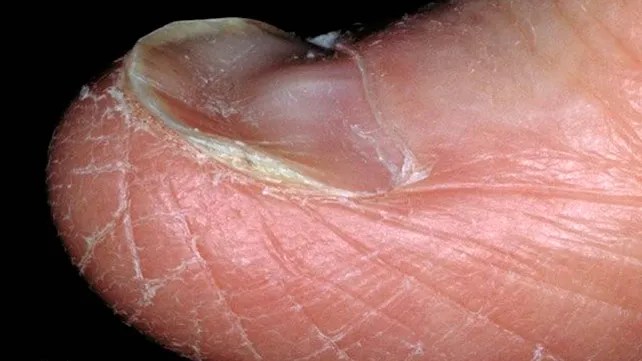
Also known as spoon nails, koilonychia is a condition in which the nails are thin and concave, with a raised outer edge and a scooped-out appearance. This condition can be caused by iron deficiency anemia, heart disease, or an underactive thyroid gland.
To treat koilonychia, also known as spoon nails, it is crucial to address the underlying condition causing the problem. Koilonychia is often associated with iron deficiency anemia, so one of the first steps is to ensure an adequate intake of iron. Including iron-rich foods in your diet, such as red meat, spinach, lentils, and fortified cereals, can help replenish iron levels.
In addition to dietary modifications, taking iron supplements as recommended by a healthcare professional may be beneficial. However, it is important to consult with a doctor before starting any new medication or supplements, as they can provide personalized advice based on your specific needs and medical history.
Another simple yet effective way to manage koilonychia is by keeping the nails well-moisturized. Dryness and brittleness can exacerbate the condition, making it essential to use a nourishing moisturizer on a regular basis. Opting for a moisturizer specifically formulated for nails and cuticles can provide the hydration necessary to maintain nail health and reduce the appearance of spoon-shaped nails.
Onycholysis:
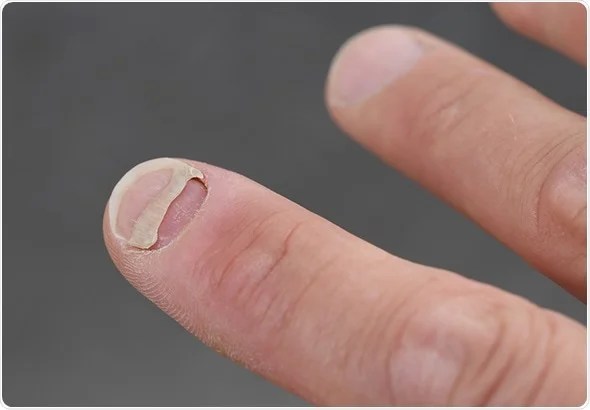
Onycholysis is a condition in which the nail separates from the nail bed. This can be caused by an injury, a fungal infection, or an underlying medical condition such as psoriasis or thyroid disease.
Onycholysis is a condition where the nail plate separates from the underlying nail bed, resulting in the detachment of the nail from the fingertip or toe. It can be caused by various factors such as trauma, nail psoriasis, fungal infections, or certain medications.
To effectively treat onycholysis, it’s crucial to adopt a comprehensive approach. One of the key steps is maintaining proper nail hygiene. Keeping the affected nails clean and dry can help prevent bacterial or fungal infections from developing. Gently cleaning the nails with a mild soap and warm water, and thoroughly drying them afterwards can promote healing and reduce the risk of further complications.
In addition to proper nail care, applying a topical antifungal medication to the affected nails may be recommended by a healthcare professional. This can help eliminate any fungal infection that might be present and promote the reattachment of the nail to the nail bed. It’s important to follow the prescribed treatment regimen and continue applying the medication until the nail has fully healed.
To prevent future episodes of onycholysis, it’s essential to take proactive measures. Avoiding exposure to harsh chemicals and irritants, such as detergents, solvents, or excessive moisture, can help protect the nails from damage. Wearing gloves when performing household chores or activities that involve prolonged exposure to water can provide an extra layer of protection.
In some cases, underlying medical conditions like nail psoriasis may contribute to onycholysis. If this is the case, it’s important to address the root cause of the problem. Seeking medical advice and following the recommended treatment plan for managing psoriasis can help improve the condition of the nails and reduce the likelihood of onycholysis recurrence.
Nail pitting:
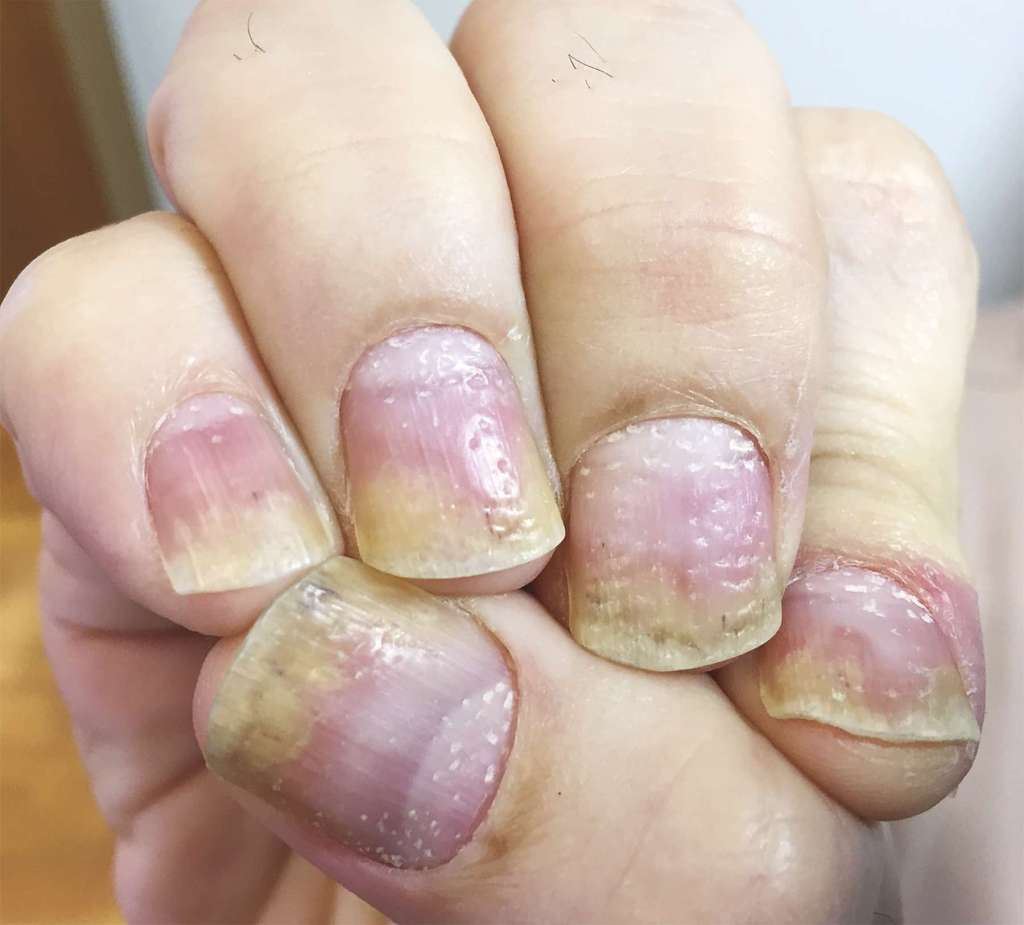
Nail pitting is a condition in which small depressions or pits form on the nail surface. This can be a sign of psoriasis, a skin condition that causes the body to produce skin cells too quickly, leading to scaly patches on the skin.
When it comes to dealing with nail pitting, it’s important to remember that there isn’t a specific home remedy that can cure it entirely. However, there are a few steps you can take to minimize further damage and promote healthier nails.
First and foremost, maintaining good nail hygiene is crucial. Keep your nails clean by regularly washing them with a gentle cleanser or soap. Avoid using harsh chemicals or nail products that can potentially worsen the condition. Gently scrubbing the nails with a soft brush can help remove any dirt or debris that may have accumulated.
Furthermore, it’s important to keep your nails dry as moisture can exacerbate the problem. After washing your hands, thoroughly dry your nails using a clean towel. Moisture trapped under the nails can promote fungal or bacterial growth, leading to worsening nail pitting.
Additionally, applying a moisturizer specifically designed for nails can help keep them hydrated. Look for products that contain moisturizing ingredients such as shea butter, vitamin E, or jojoba oil. Regularly applying a moisturizer can help prevent nails from becoming brittle, which may exacerbate nail pitting.
While these measures may not completely eliminate nail pitting, they can certainly help in managing the condition and preventing further damage. However, if you’re concerned about the appearance or severity of your nail pitting, it’s recommended to seek advice from a dermatologist or a healthcare professional. They can provide a personalized treatment plan based on the specific cause and severity of your condition.
Remember, patience is key when dealing with nail issues. It takes time for nails to grow and heal, so consistency in following a proper nail care routine is essential.
Beau’s lines:
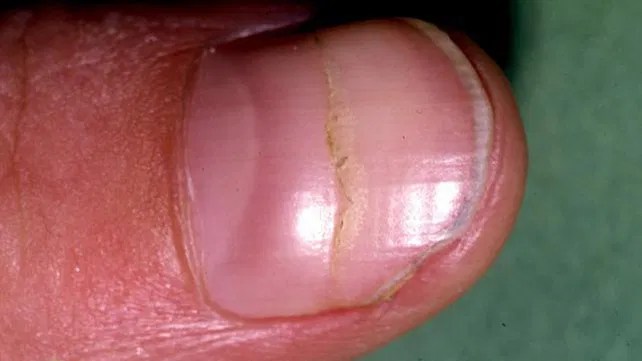
Beau’s lines are horizontal depressions that appear across the nail plate. These lines can be caused by an injury, a severe illness, or a reaction to chemotherapy.
When it comes to caring for Beau’s lines, it’s important to adopt a holistic approach. While there are no specific home remedies to treat this condition, there are certain practices you can incorporate into your nail care routine to promote healthy nail growth and prevent further damage.
First and foremost, maintaining proper nail hygiene is essential. Regularly cleaning your nails with a gentle nail brush and mild soap can help remove dirt, bacteria, and debris that may accumulate throughout the day. It’s crucial to dry your nails thoroughly after washing to prevent moisture build-up, as moist environments can contribute to the development of fungal infections.
Additionally, incorporating moisturizing into your nail care routine can have numerous benefits. Applying a hydrating moisturizer or cuticle oil to your nails and cuticles can help keep them nourished and prevent them from becoming overly dry and brittle. Opting for products that contain ingredients like vitamin E, jojoba oil, or shea butter can provide extra nourishment and promote healthy nail growth.
Protecting your nails from excessive trauma is equally important. Avoid activities that may subject your nails to undue stress, such as biting or picking at them or using them as tools. If you frequently engage in activities that expose your nails to chemicals or excessive moisture, consider wearing protective gloves to minimize potential damage.
Furthermore, maintaining a balanced diet rich in essential nutrients can contribute to the overall health of your nails. Nutrients like biotin, iron, zinc, and vitamin E are known to promote nail strength and growth. Incorporate foods like eggs, leafy greens, nuts, and whole grains into your meals for a well-rounded nutrient intake.
While these practices can help promote healthier nails, it’s important to note that Beau’s lines may take time to resolve, as they often indicate a temporary disruption in nail growth. If you have concerns about the appearance or health of your nails, it is advisable to consult with a healthcare professional or a dermatologist who can provide personalized guidance and recommend appropriate treatment options.
Remember, taking consistent care of your nails and being patient with the healing process are key in promoting healthy and beautiful nails in the long run.
Clubbing:
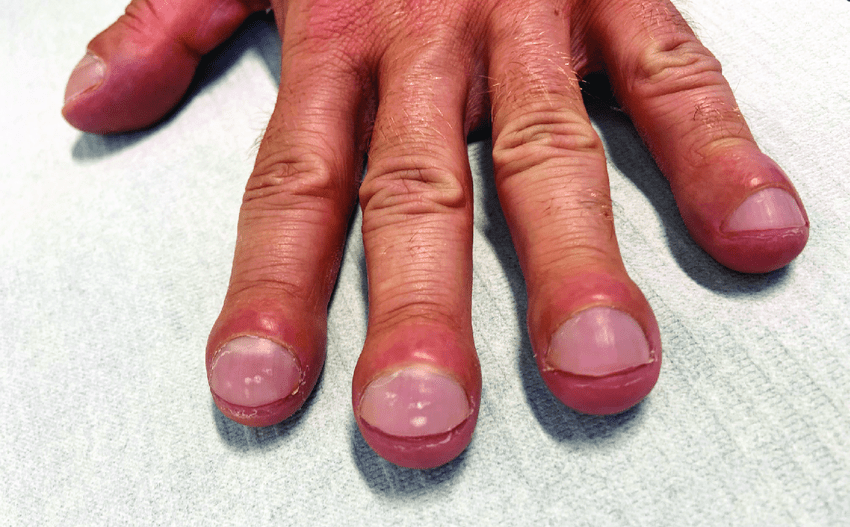
Clubbing is a condition in which the tips of the fingers or toes become enlarged and the nails curve around the fingertips. This can be a sign of an underlying medical condition such as lung disease, heart disease, or liver disease.
There are no specific home remedies for clubbing, but treating the underlying condition causing the problem may help alleviate symptoms. For example, if clubbing is caused by lung disease, there are several steps you can take to improve the condition and manage the symptoms effectively.
First and foremost, it is crucial to quit smoking if you are a smoker. Smoking can worsen lung problems and contribute to the development of clubbing. By quitting smoking, you not only reduce the progression of the underlying lung disease but also improve your overall respiratory health.
In addition to quitting smoking, using oxygen therapy can be beneficial for individuals with lung disease. Oxygen therapy involves inhaling supplemental oxygen through a portable device or an oxygen concentrator. This helps increase the oxygen levels in your blood and improve your breathing. It can alleviate the shortness of breath commonly experienced by individuals with lung disease and reduce the severity of clubbing.
Maintaining a healthy lifestyle is also important when managing clubbing caused by lung disease. This includes incorporating regular exercise into your routine, eating a well-balanced diet, and staying hydrated. Exercise helps improve lung function and overall cardiovascular health, while a nutritious diet provides essential nutrients to support optimal lung function. Staying hydrated ensures that your body remains properly hydrated, which can help thin mucus, making it easier to clear your airways.
Lastly, it is crucial to follow your healthcare provider’s guidance and take any prescribed medications as directed. Depending on the underlying lung condition, your healthcare provider may prescribe medications such as bronchodilators, corticosteroids, or antibiotics to manage symptoms and reduce inflammation. Adhering to your medication regimen can help control symptoms and prevent further progression of the disease.

Eating a diverse and vibrant diet is absolutely fantastic for your overall well-being and vitality! Not only does it provide your body with a delightful array of essential nutrients, but it also works wonders in nurturing your nails and their health. Let’s explore a delightful selection of foods known to promote strong, gorgeous nails:
Protein power: Embrace the goodness of lean protein sources like succulent chicken, flavorful fish, and mouthwatering tofu. These protein-packed wonders are not only a delicious addition to your meals but also help support nail growth and repair. Remember, your nails simply adore the building blocks that proteins provide!
Biotin bliss: Unlock the secret to luscious nails with the help of biotin, a fantastic B vitamin! Discover the joy of incorporating biotin-rich foods into your diet, such as crunchy nuts, hearty seeds, wholesome whole grains, and the incredible versatility of eggs and dairy products. Alternatively, feel free to explore the option of biotin supplements, under the caring guidance of a healthcare professional.
Vitamin E ecstasy: Revel in the antioxidant prowess of vitamin E, a true nail-nourishing superhero! Pamper your nails with the lusciousness of avocado, the vibrant goodness of spinach, and the delightful crunch of nuts and seeds that are brimming with this skin-loving vitamin. Your nails will positively radiate strength and vitality!
Fabulous fatty acids: Dive into the splendid world of essential fatty acids, those magnificent nutrients that act as nurturers of nail health. Delight in the delectable taste of fatty fish like salmon and mackerel, and savor the goodness of chia seeds and walnuts. By embracing these incredible sources of omega-3 fatty acids, you’ll help your nails stay hydrated, flexible, and resilient.
Hydration heaven: Remember to sip on the pure joy of hydration throughout the day! By partaking in the wondrous elixir of life that is water, you’ll be gifting your nails with the gift of hydration and preventing any chance of them becoming weak or brittle. Stay refreshed and keep your nails marvelously moisturized!
Let’s not forget the importance of pampering your nails with tender, loving care. Shield them from harsh chemicals, wrap them warmly in gloves when engaging in household chores or gardening adventures, and keep them superbly trimmed and clean. By giving your nails this extra bit of attention, you’ll elevate their health to new heights!
You are embarking on an incredible journey of self-care and nail nurture. Remember, each person’s nails are as unique as they are, so be patient and kind to yourself along the way. If you have any specific concerns or questions, don’t hesitate to seek guidance from a healthcare professional who can provide tailored advice just for you.
By embracing this wonderfully holistic approach that combines the delights of a nutritious diet, hydration galore, and excellent nail care habits, you’re infusing your life with vibrancy and happiness. Your nails will bask in strength, beauty, and resiliency, showcasing their sheer magnificence to the world! Enjoy every step of this fantastic nail-nurturing journey.
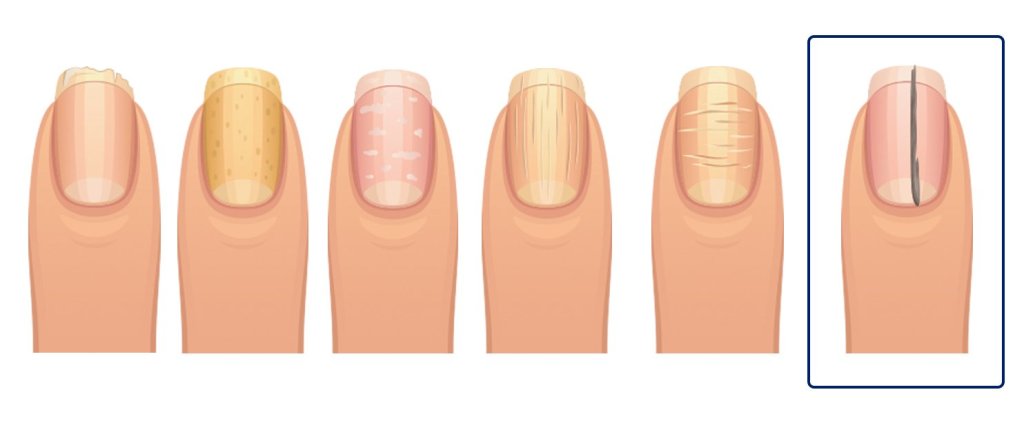
To facilitate your exploration of nail health and related topics, I have curated a comprehensive list of resources that offer valuable insights and information. Delve into these references to gain a deeper understanding of the subject matter and enhance your knowledge:
- WebMD: “Nails and Health: Read the Signs” – An informative slideshow that explores how various nail conditions can reflect underlying health issues.
Source: WebMD - Healthline: “Healthy Nails: Tips and Guidelines” – A comprehensive guide to maintaining healthy nails, including information on common nail problems and their causes.
Source: Healthline - Health.com: “Nail Health: Tips for Keeping Your Nails Healthy and Strong” – A resourceful article that covers essential tips for promoting nail health and preventing nail problems.
Source: Health.com - Cleveland Clinic: “6 Things Your Nails Say About Your Health” – A detailed overview of various nail abnormalities and their potential connections to underlying health conditions.
Source: Cleveland Clinic - American Academy of Dermatology Association: “Nail Health” – Offers expert advice on maintaining strong and healthy nails, including tips for dealing with common nail issues.
Source: AAD - Mayo Clinic: “Nail Fungus” – In-depth information on nail fungal infections, their causes, symptoms, and treatment options.
Source: Mayo Clinic - MedicalNewsToday: “What to know about white spots on nails” – A comprehensive guide to understanding the causes and management of white spots on nails.
Source: MedicalNewsToday - Dermatology Times: “Ingrown Toenails: Diagnostic and Treatment Tips” – Offers insights into understanding and managing ingrown nails, including home remedies and when to seek professional help.
Source: Dermatology Times - DermNet New Zealand: “Koilonychia (spoon nails)” – A detailed overview of koilonychia, its causes, and associated conditions.
Source: DermNet NZ - American Osteopathic College of Dermatology: “Nail Pitting” – Detailed information on the causes, diagnostic approach, and management of nail pitting.
Source: AOCD
Discover a comprehensive compilation of invaluable insights about nail health, encompassing a wide array of topics ranging from common nail problems to expert tips on nail care. Empower yourself with the knowledge needed to ensure your nails are in optimal condition for an unparalleled sense of well-being.
Disclaimer:
When it comes to health-related information, it is vital to prioritize accuracy and rely on reputable sources. In matters concerning your well-being, consulting with qualified healthcare professionals is imperative. While online platforms can provide general knowledge, they should never replace the expertise of trained medical practitioners.
If you have any symptoms or health concerns, it is essential to seek prompt medical attention from a healthcare provider. They possess the knowledge and skills to assess your condition properly, provide an accurate diagnosis, and offer appropriate treatment options tailored to your specific needs.
Remember, self-diagnosis based on internet research can be misleading and potentially harmful. Each individual is unique, and symptoms can have different underlying causes. Only a healthcare professional can provide the necessary expertise to guide you effectively and ensure your well-being.
Please prioritize your health by consulting with trusted medical professionals for any health-related questions or concerns.
 MimiiMeis