
In the world of nutrition and wellness, certain minerals often take the spotlight for their essential roles in maintaining our health. Among these unsung heroes, magnesium stands out as a powerhouse mineral that plays a vital role in our bodies’ daily functions. From supporting muscle function and energy production to promoting heart health and relaxation, magnesium is a true multitasker that deserves our attention.
In this comprehensive guide, we’re delving into the world of magnesium to uncover its incredible benefits, dietary sources, and its impact on our overall well-being. Whether you’re a health enthusiast, an athlete, a parent, or someone simply curious about optimizing your health, understanding the importance of magnesium can lead to transformative changes in your lifestyle.
Join us on this journey as we explore the science behind magnesium, demystify its various forms, and offer insights into how you can ensure you’re getting an adequate amount of this essential mineral. From the foods that are magnesium-rich to the supplements that may benefit specific health concerns, we’re here to provide you with the knowledge you need to make informed decisions about your health.
So, let’s uncover the secrets of magnesium together and learn how embracing this mineral can pave the way to a healthier, more vibrant life. Whether you’re looking to improve your physical performance, enhance your mood, or simply boost your overall wellness, magnesium might just be the missing puzzle piece you’ve been searching for.
Discover the fascinating world of magnesium in this informative piece! Dive into the diverse forms of this essential mineral and unlock its incredible potential in supporting a wide range of vital bodily functions. Get ready to be amazed by the wonders of magnesium!
- Magnesium Citrate: This form is commonly used as a dietary supplement and is known for its good bioavailability and ability to support digestion.
- Magnesium Oxide: This form has a high magnesium content but is less bioavailable than some other forms. It’s often used as a laxative and can help relieve constipation.
- Magnesium Glycinate: This form is bound to the amino acid glycine, which can enhance absorption and minimize the laxative effect associated with other forms.
- Magnesium Malate: Magnesium malate is a combination of magnesium and malic acid. It’s often used to support energy production and alleviate muscle pain.
- Magnesium L-Threonate: This form is known for its potential cognitive benefits, as it is thought to have better penetration into the brain. It’s sometimes used to support brain health and cognitive function.
- Magnesium Sulfate: Commonly known as Epsom salt, magnesium sulfate is often used in baths to help relax muscles and relieve soreness.
- Magnesium Chloride: This form is typically used in topical applications, such as magnesium oil or lotions, for skin absorption.
- Magnesium Taurate: Magnesium taurate is a combination of magnesium and the amino acid taurine. It’s sometimes used to support cardiovascular health.
- Magnesium Carbonate: This form is used as an antacid to help relieve heartburn and indigestion.
- Magnesium Orotate: Magnesium orotate is a combination of magnesium and orotic acid. It’s often used as a supplement to support heart health and exercise performance.
Each of these forms has its own unique properties and potential benefits. When choosing a magnesium supplement, it’s important to consider your specific needs, preferences, and any existing health conditions. It’s also recommended to consult with a healthcare professional before starting any new supplement regimen.
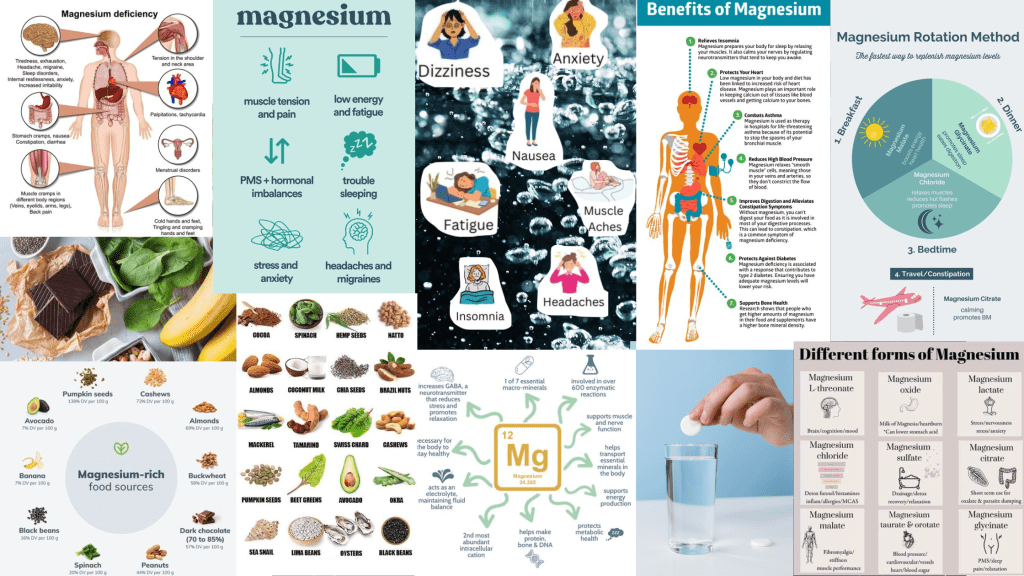
Magnesium chelate is an incredible form of magnesium that offers numerous benefits for your overall health and well-being. This exceptional compound involves bonding magnesium ions with amazing amino acids, like glycine, lysine, or taurine. Through a remarkable process called chelation, these organic molecules embrace and tightly hold onto the magnesium, forming an outstandingly stable complex. The resulting complex allows for enhanced bioavailability and absorption of this essential mineral in your body. Isn’t it remarkable how science keeps finding new ways to optimize our health? So if you’re in search of a supplement that not only supports optimal magnesium levels but is also kind to your stomach, look no further than magnificent magnesium chelate!
Magnesium chelate offers a wide range of potential benefits that can greatly enhance your well-being and overall health!
- Enhanced Absorption: The chelation process increases the solubility and bioavailability of magnesium, making it easier for the body to absorb and utilize.
- Gentle on the Stomach: Magnesium chelate is generally less likely to cause digestive upset or laxative effects compared to other forms like magnesium oxide.
- Reduced Interference: Chelated magnesium is less likely to interact with other nutrients or substances in the digestive tract that could hinder its absorption.
- Support for Various Health Functions: Magnesium is involved in numerous bodily processes, including muscle and nerve function, bone health, energy production, and more. Magnesium chelate can support these functions effectively due to its enhanced absorption.
- Lower Risk of Magnesium Deficiency: Taking a well-absorbed form of magnesium like chelate can help reduce the risk of magnesium deficiency, which is associated with various health issues.
Magnesium deficiency, scientifically known as hypomagnesemia, can have a profound impact on your health. This essential mineral plays a crucial role in numerous bodily functions, making its absence all the more consequential. If left unaddressed, magnesium deficiency can give rise to a diverse array of symptoms and health issues, warranting prompt attention and intervention. Keep reading to learn more about the common signs and consequences associated with this deficiency.
- Muscle Cramps and Spasms: Magnesium is necessary for proper muscle function and relaxation. A deficiency can lead to muscle cramps, spasms, and twitches.
- Weakness and Fatigue: Magnesium is involved in energy production within cells. Low magnesium levels can result in reduced energy levels, fatigue, and weakness.
- Irregular Heartbeat: Magnesium is crucial for maintaining a regular heartbeat and overall heart health. A deficiency can contribute to arrhythmias (irregular heartbeats) and palpitations.
- Nervous System Issues: Adequate magnesium levels are important for the proper functioning of the nervous system. Deficiency can lead to symptoms such as numbness, tingling, and even seizures in severe cases.
- Mood Disturbances: Magnesium is involved in the regulation of neurotransmitters that affect mood. Low levels can contribute to mood swings, anxiety, and depression.
- Bone Health Concerns: Magnesium is needed for proper bone formation and maintenance. Deficiency over time can contribute to reduced bone mineral density and an increased risk of osteoporosis.
- High Blood Pressure: Adequate magnesium levels help relax blood vessels and regulate blood pressure. Low levels can potentially contribute to hypertension (high blood pressure).
- Insulin Resistance: Magnesium is involved in insulin sensitivity and glucose metabolism. A deficiency may be linked to insulin resistance and an increased risk of type 2 diabetes.
- Digestive Issues: Magnesium is important for proper muscle function in the digestive tract. Deficiency can lead to constipation and gastrointestinal discomfort.
- Hormonal Imbalances: Magnesium plays a role in hormone regulation, including those related to stress and sleep. Deficiency can contribute to hormonal imbalances.
Undoubtedly, magnesium deficiency can arise from a multitude of factors, encompassing insufficient dietary intake, specific medical conditions, certain medications, excessive alcohol consumption, and gastrointestinal disorders that impede the absorption of magnesium. Rest assured, it is crucial to address this issue promptly to maintain optimal health and wellbeing.
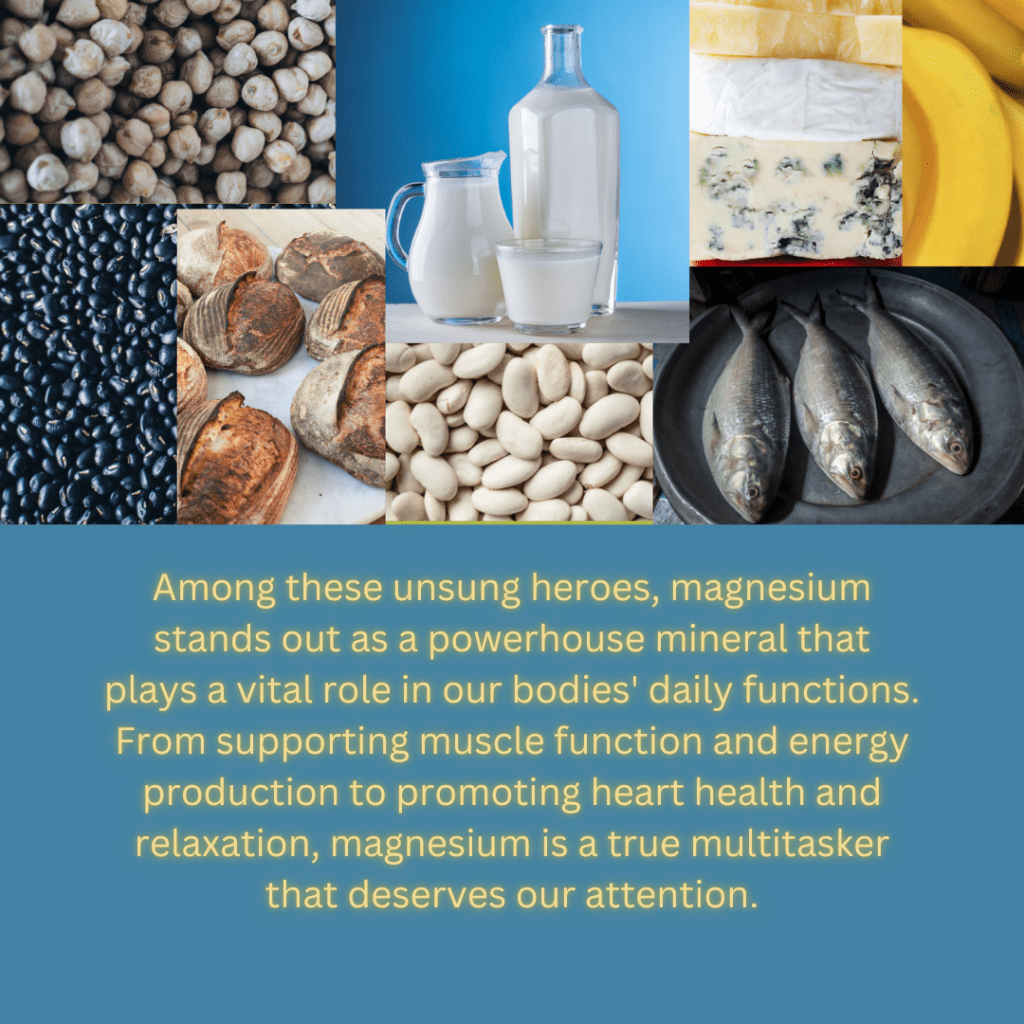
Including a diverse range of magnesium-rich foods in your diet is an excellent way to ensure optimal magnesium levels in your body. You’ll be pleased to know that numerous foods boast high levels of this essential mineral. Here are some notable examples:
- Nuts and Seeds: Almonds, cashews, pumpkin seeds, and sunflower seeds are rich in magnesium.
- Leafy Greens: Spinach, kale, Swiss chard, and collard greens are excellent sources of magnesium.
- Whole Grains: Whole grains like brown rice, quinoa, whole wheat, and oats provide significant amounts of magnesium.
- Legumes: Beans, lentils, chickpeas, and peas are magnesium-rich options.
- Avocado: Avocado is not only a healthy source of fats but also contains a good amount of magnesium.
- Bananas: These fruits contain moderate levels of magnesium, along with other beneficial nutrients.
- Fatty Fish: Some types of fatty fish like salmon, mackerel, and halibut offer magnesium as well as omega-3 fatty acids.
- Dark Chocolate: Dark chocolate with a high cocoa content contains magnesium, providing an enjoyable way to supplement your intake.
- Dairy Products: Dairy foods like yogurt and kefir are magnesium sources, though their content can vary.
- Tofu: Tofu is a versatile plant-based source of magnesium.
- Dried Fruits: Dried fruits like figs, apricots, and raisins contain magnesium, though they are also relatively calorie-dense.
- Whole Soy Products: Foods like tempeh and edamame offer magnesium and protein.
- Seaweed: Edible seaweed is a lesser-known source of magnesium.
- Whole Wheat Bread: Whole grain bread can contribute to your magnesium intake.
- Brown Rice: Brown rice contains more magnesium than refined white rice.
It’s important to note that the magnesium content of foods can actually vary due to factors such as the quality of the soil in which they were grown and the processing methods employed. Therefore, incorporating a diverse range of these foods rich in magnesium into your diet can greatly contribute to ensuring a well-rounded and balanced intake of this vital mineral.

Ingredients:
1 ripe banana
1 cup spinach (or kale)
1/4 cup almonds or pumpkin seeds
1/2 avocado
1/2 cup Greek yogurt
1 tablespoon dark chocolate chips (for garnish)
Honey or maple syrup (optional, for sweetness)
1/2 cup unsweetened almond milk (or milk of choice)
Chia seeds or sunflower seeds (for topping)
Instructions:
In a blender, combine the banana, spinach, almonds or pumpkin seeds, avocado, Greek yogurt, and almond milk.
Blend until smooth and creamy. If desired, add honey or maple syrup for sweetness.
Pour the smoothie into a bowl.
Top with dark chocolate chips, chia seeds, and sunflower seeds.
Enjoy your magnesium-packed smoothie bowl!
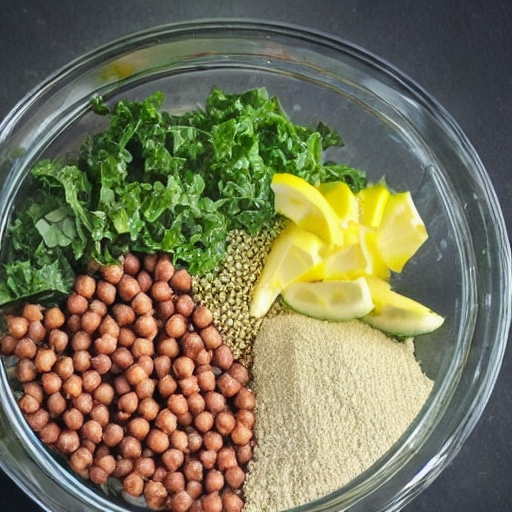
Ingredients:
1 cup cooked quinoa
1 cup cooked chickpeas
1 cup chopped kale
1/2 avocado, diced
1/4 cup chopped almonds
1/4 cup crumbled feta cheese
Lemon vinaigrette (lemon juice, olive oil, salt, and pepper)
Instructions:
In a large bowl, combine the cooked quinoa, chickpeas, chopped kale, diced avocado, chopped almonds, and crumbled feta cheese.
Prepare a simple lemon vinaigrette by whisking together lemon juice, olive oil, salt, and pepper.
Drizzle the vinaigrette over the salad and toss to combine.
Serve the quinoa and chickpea salad as a nutritious and magnesium-rich lunch option.
Here are three meal ideas—one for breakfast, one for lunch, and one for dinner—that not only taste delicious but also incorporate magnesium-rich foods to support your overall health and well-being.
Breakfast Option:
Start your day with a nutritious and magnesium-packed breakfast bowl. Combine a base of creamy Greek yogurt or almond milk with a sprinkle of chia seeds, crushed almonds, and a handful of berries. Top it off with a drizzle of honey or a sprinkle of cinnamon for added flavor. This bowl not only provides a good dose of magnesium but also offers a balanced mix of protein, fiber, and antioxidants to kickstart your morning.
Lunch Option:
For a satisfying and magnesium-rich lunch, try a quinoa and roasted vegetable salad. Cook quinoa according to package instructions and let it cool. In a separate baking tray, toss your choice of vegetables (such as bell peppers, zucchini, and eggplant) with olive oil, garlic, and your favorite herbs. Roast them in the oven until tender. Combine the roasted vegetables with the quinoa, add a handful of baby spinach or arugula, and dress it with a simple lemon vinaigrette. This colorful salad not only provides a good amount of magnesium but also offers a variety of vitamins, minerals, and fiber.

Ingredients:
2 salmon fillets
1 tablespoon olive oil
Lemon zest and juice
Salt and pepper to taste
1 cup cooked quinoa
2 cups steamed spinach
Sliced almonds (for garnish)
Instructions:
Preheat the oven to 375°F (190°C).
Place the salmon fillets on a baking sheet. Drizzle with olive oil and season with lemon zest, lemon juice, salt, and pepper.
Bake the salmon in the preheated oven for about 15-20 minutes, or until cooked through.
While the salmon is baking, prepare the quinoa according to package instructions.
Steam the spinach until wilted.
To serve, place a portion of cooked quinoa on each plate, top with a salmon fillet, and serve with a side of steamed spinach.
Garnish with sliced almonds for an added crunch and magnesium boost.
Dinner Option:
For a flavorful and magnesium-rich dinner, try grilled salmon with roasted sweet potatoes and steamed broccoli. Marinate a fresh salmon fillet in a mixture of lemon juice, olive oil, minced garlic, and dill for about 30 minutes. Meanwhile, toss sweet potato cubes in olive oil, salt, and pepper, and roast them in the oven until golden and crispy. Steam fresh broccoli florets until tender-crisp. Grill the marinated salmon to perfection and serve it alongside the roasted sweet potatoes and steamed broccoli. This well-rounded meal not only provides a significant amount of magnesium but also offers omega-3 fatty acids, fiber, and essential nutrients.
Discover these delicious meal ideas that are packed with magnesium-rich foods. They offer a balanced and nutritious intake to power you through your day. Feel free to customize the recipes to suit your preferences and dietary requirements. Enjoy a flavorful and wholesome dining experience!
Undoubtedly, the remarkable mineral magnesium stands tall as an unsung hero in the realm of health and wellness. With its crucial role in powering our muscles and energizing our bodies, promoting heart health, and instilling a sense of calm in our minds, the impact of magnesium on our overall well-being cannot be underestimated. By incorporating foods rich in magnesium, considering supplementation under the guidance of a healthcare professional, and being mindful of potential interactions and warnings, you have the power to harness the immense potential of this essential mineral to pave your way towards a healthier and more vibrant life. So whether you’re embarking on a transformative fitness journey, seeking respite from the stresses of everyday life, or simply striving for optimal health, remember that magnesium may just be the natural key to unlock your wellness potential. Embrace the myriad benefits, stay informed, and let magnesium be your steadfast partner on your journey towards achieving a harmonious and thriving life.
For further reading:
Benefits of Magnesium:
- National Institutes of Health (NIH) – Office of Dietary Supplements: Magnesium: https://ods.od.nih.gov/factsheets/Magnesium-HealthProfessional/
- Healthline – Magnesium Benefits, Dosage, and Food Sources: https://www.healthline.com/nutrition/magnesium-benefits
- Medical News Today – What Does Magnesium Do in the Body?: https://www.medicalnewstoday.com/articles/286839
Warnings and Precautions:
- Mayo Clinic – Magnesium: https://www.mayoclinic.org/drugs-supplements-magnesium/art-20365912
- WebMD – Magnesium: Uses, Side Effects, Interactions, Dosage, and Warning: https://www.webmd.com/vitamins/ai/ingredientmono-998/magnesium
- Cleveland Clinic – Magnesium: Benefits, Dosage, and Side Effects: https://health.clevelandclinic.org/magnesium-benefits-dosage-and-side-effects/
General Information:
- Harvard T.H. Chan School of Public Health – Magnesium: https://www.hsph.harvard.edu/nutritionsource/magnesium/
- MedlinePlus – Magnesium in Diet: https://medlineplus.gov/ency/article/002423.htm
- University of Maryland Medical Center – Magnesium: https://www.umm.edu/health/medical/altmed/supplement/magnesium
 MimiiMeis