
Are you yearning for smoother, more radiant skin that defies the hands of time? If so, you may have heard about glycolic acid, a wonder ingredient hailed for its remarkable ability to transform and rejuvenate the skin. Derived from sugar cane, glycolic acid belongs to the alpha-hydroxy acid (AHA) family, encompassing a group of potent exfoliating agents that work wonders on our skin. In this blog post, we will explore the enchanting world of glycolic acid, shedding light on its incredible benefits and debunking common myths. From the magic of its molecular composition to alternative products that deliver similar results, let’s unlock the secrets of youthful skin through the wonders of glycolic acid!
As a powerful exfoliant, glycolic acid is renowned for its capacity to remove dead skin cells from the surface, paving the way for a radiant and more refined complexion. Its small molecular size grants it a unique advantage, enabling it to penetrate deep into the skin and work its transformative magic from within. But don’t be deceived by the word ‘acid’—glycolic acid is a gentle giant that can help achieve a youthful glow without the harshness associated with traditional peels.
One of glycolic acid’s most remarkable advantages lies in its anti-aging prowess. By stimulating collagen production, this incredible ingredient helps diminish the appearance of fine lines and wrinkles, fostering a more supple and youthful visage. Say goodbye to the burdens of time as glycolic acid gracefully tightens and revitalizes your skin, bringing back its natural luminosity.
For those struggling with acne-prone skin, glycolic acid comes as a godsend. Its exfoliating properties unclog pores, prevent blackheads and whiteheads, and even assist in reducing existing blemishes. Embrace the confidence that comes with clearer, healthier skin, courtesy of the remarkable effects of glycolic acid.
Worried about uneven skin tone or pesky sunspots? Glycolic acid proves its mettle in combating hyperpigmentation. By breaking down excess melanin and accelerating skin cell turnover, it gently fades dark spots and discoloration, revealing a more balanced and even-toned complexion.
Though glycolic acid boasts an impressive resume of benefits, it’s essential to approach it with care, as improper use can lead to skin irritation, redness, and peeling. For those with sensitive skin, don’t fret, for there are alternative AHAs that can deliver similar results with gentler effects. Lactic acid, derived from milk, and mandelic acid, sourced from almonds, are excellent options for those seeking milder yet equally effective exfoliation.
Ready to embark on a journey of transformation? Join us in this exploration of the enchanting glycolic acid and discover how it can breathe new life into your skin. From its molecular composition to alternative AHA products, we’ll debunk myths and provide you with a comprehensive guide to achieving youthful, radiant skin. Say hello to the magic of glycolic acid, and let your skin radiate with the beauty it deserves!

What exactly is Glycolic Acid?
Glycolic acid is a type of alpha-hydroxy acid (AHA) derived from sugar cane. It is a popular ingredient in skincare products due to its ability to exfoliate the skin and provide various benefits. Here are some key points about glycolic acid:
- Exfoliation: Glycolic acid is known for its excellent exfoliating properties. It works by breaking down the bonds between dead skin cells, helping to remove them from the skin’s surface. This process can improve skin texture, tone, and radiance.
- Anti-aging: Due to its exfoliating effects, glycolic acid can stimulate collagen production, which helps to reduce the appearance of fine lines and wrinkles. It can also help fade age spots and promote a more youthful appearance.
- Acne treatment: Glycolic acid can be effective in treating acne-prone skin. By exfoliating the skin, it can unclog pores, reduce blackheads and whiteheads, and prevent new blemishes from forming.
- Hyperpigmentation: Glycolic acid may also be used to lighten areas of hyperpigmentation, such as sunspots, melasma, and post-inflammatory hyperpigmentation (PIH).
- Skin penetration: Its small molecular size allows glycolic acid to penetrate the skin more deeply than some other AHAs, making it an efficient exfoliant.
- Concentration and pH: The effectiveness of glycolic acid depends on its concentration in a product and the pH level. Lower pH levels and higher concentrations are generally more potent but can also be more irritating to the skin.
- Caution: While glycolic acid can provide many benefits, it may cause irritation, redness, or peeling, especially in higher concentrations or if used excessively. Patch testing is recommended, especially for individuals with sensitive skin.
- Sun sensitivity: When using products containing glycolic acid, it’s crucial to wear sunscreen daily, as the skin may become more sensitive to the sun, increasing the risk of sunburn and other sun-related damage.
Glycolic acid is available in various forms, such as cleansers, toners, serums, and chemical peels. If you’re considering using glycolic acid or any other skincare product with active ingredients, it’s a good idea to consult a dermatologist to determine the best course of action for your skin type and concerns.
The molecular composition
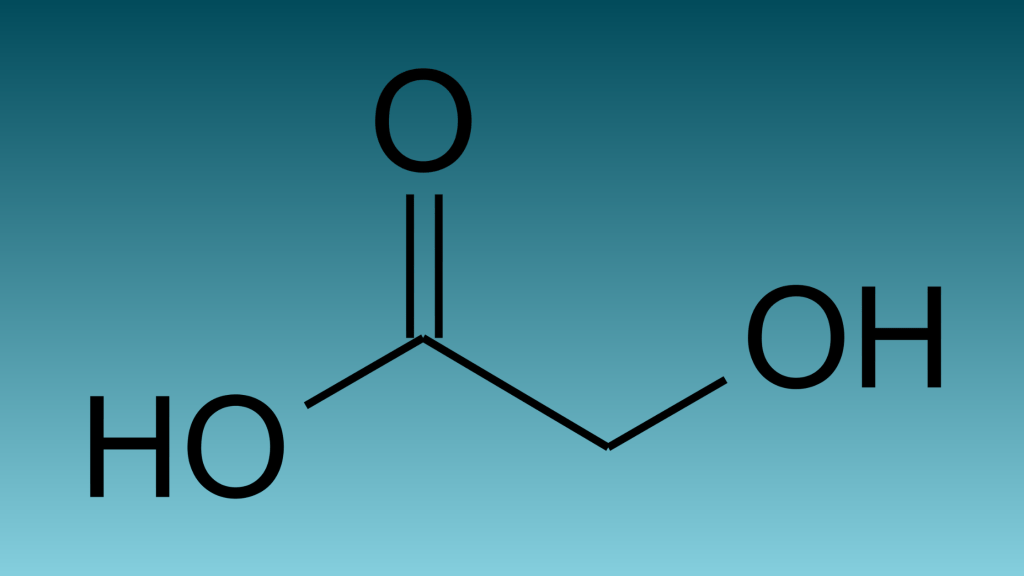
The molecular composition of glycolic acid is C2H4O3. It is a simple organic compound belonging to the alpha-hydroxy acid (AHA) family. The chemical formula C2H4O3 represents the number and type of atoms present in each molecule of glycolic acid.
Here is the breakdown of the chemical formula:
C – Carbon (2 atoms)
H – Hydrogen (4 atoms)
O – Oxygen (3 atoms)
Glycolic acid is also known as hydroxyacetic acid and is derived from sugar cane. Its small molecular size allows it to penetrate the skin more effectively, making it an efficient exfoliating agent in skincare products.
Myths:
There are several myths and misconceptions surrounding glycolic acid. Let’s take a look at some of the most common ones:
- Myth: Glycolic acid is harmful and dangerous for the skin.
Fact: When used appropriately and at the right concentrations, glycolic acid is generally safe for most people. However, like any active ingredient, improper use or excessive concentration can lead to skin irritation and sensitivity. It’s essential to follow the instructions and recommendations of skincare professionals. - Myth: Glycolic acid thins the skin.
Fact: Glycolic acid exfoliates the outer layer of dead skin cells, which can make the skin appear smoother and more refined. However, it does not cause long-term thinning of the skin when used correctly. - Myth: Glycolic acid should be avoided in certain skin types.
Fact: While glycolic acid may cause irritation in some individuals, it is generally suitable for various skin types. People with sensitive skin may need to start with lower concentrations and gradually build up tolerance. If you have concerns about using glycolic acid, consult a dermatologist to determine if it’s suitable for your skin. - Myth: Higher concentrations of glycolic acid are always better.
Fact: Higher concentrations of glycolic acid can be more potent, but they are not necessarily better for everyone. The effectiveness of the acid depends on factors like skin type, sensitivity, and the specific skincare concern. Lower concentrations can still yield positive results without causing unnecessary irritation. - Myth: Glycolic acid makes the skin more sensitive to the sun permanently.
Fact: While glycolic acid can increase skin sensitivity to the sun temporarily, this effect is not permanent. It is crucial to use sunscreen daily while using glycolic acid or any other exfoliating product to protect the skin from sun damage. - Myth: Glycolic acid is only for anti-aging purposes.
Fact: While glycolic acid is indeed beneficial for reducing the signs of aging, it offers a range of other advantages as well. It can help with acne treatment, hyperpigmentation, and overall skin texture and tone. - Myth: Glycolic acid can remove deep scars or stretch marks.
Fact: Glycolic acid can help improve the appearance of superficial scars and marks, but it may not be effective for deep scars or stretch marks. For severe scarring or stretch marks, other treatments like laser therapy or medical procedures may be more appropriate.
As with any skincare product, it’s essential to do your research and consult with a dermatologist to understand how glycolic acid can fit into your skincare routine and address your specific skin concerns.
Let’s debunk the myths surrounding glycolic acid with scientific evidence:
- Myth: Glycolic acid is harmful and dangerous for the skin.
Fact: Glycolic acid is generally safe when used properly. A study published in the Journal of the American Academy of Dermatology found that glycolic acid, when used in a controlled manner, can be beneficial for various skin conditions, including acne, photoaging (aging caused by sun exposure), and hyperpigmentation. - Myth: Glycolic acid thins the skin.
Fact: There is no scientific evidence to support the claim that glycolic acid thins the skin. On the contrary, research published in the Journal of Dermatological Treatment shows that glycolic acid can improve the thickness of the epidermis (outermost layer of the skin) and stimulate collagen production, leading to increased skin density. - Myth: Glycolic acid should be avoided in certain skin types.
Fact: A study published in the Journal of the European Academy of Dermatology and Venereology demonstrates that glycolic acid is generally safe and effective for various skin types, including sensitive skin, when used at appropriate concentrations and with proper precautions. - Myth: Higher concentrations of glycolic acid are always better.
Fact: The efficacy of glycolic acid depends on the specific skin concern and individual tolerance. A study published in the Journal of Cosmetic Dermatology suggests that both low and high concentrations of glycolic acid can be effective in improving skin texture, tone, and appearance. The key is to start with lower concentrations and gradually increase them as the skin develops tolerance. - Myth: Glycolic acid makes the skin more sensitive to the sun permanently.
Fact: Research published in the Journal of Drugs in Dermatology confirms that glycolic acid can increase the skin’s sensitivity to the sun temporarily. However, this effect is reversible and diminishes once the use of glycolic acid is discontinued. Wearing sunscreen during glycolic acid use is crucial to protect the skin from potential sun damage. - Myth: Glycolic acid is only for anti-aging purposes.
Fact: While glycolic acid is beneficial for anti-aging purposes, several studies, such as one published in the Journal of Clinical and Aesthetic Dermatology, have shown its effectiveness in treating acne, hyperpigmentation, and overall skin texture improvement. - Myth: Glycolic acid can remove deep scars or stretch marks.
Fact: While glycolic acid can improve the appearance of superficial scars and marks, deeper scars and stretch marks may require more intensive treatments, as stated in research published in the Journal of Cosmetic Dermatology. Glycolic acid can help with their overall appearance but may not completely remove them.
Advantages of Glycolic acid:
Using glycolic acid in skincare can offer various advantages for the skin. Some of the key benefits include:
- Exfoliation: Glycolic acid is an excellent exfoliant, helping to remove dead skin cells from the surface of the skin. This exfoliation leads to a smoother, brighter complexion and can improve skin texture and tone.
- Anti-Aging: Glycolic acid stimulates collagen production, which is crucial for maintaining skin elasticity and firmness. Regular use of glycolic acid can help reduce the appearance of fine lines and wrinkles, promoting a more youthful appearance.
- Acne Treatment: Due to its exfoliating properties, glycolic acid can help unclog pores and reduce acne breakouts. It can also help in the treatment of blackheads and whiteheads.
- Hyperpigmentation Reduction: Glycolic acid can aid in fading areas of hyperpigmentation, such as sunspots, age spots, and melasma. It works by breaking down excess melanin and promoting skin cell turnover.
- Skin Brightening: The exfoliation provided by glycolic acid can lead to a brighter complexion by removing dull and dead skin cells, revealing fresher skin underneath.
- Even Skin Tone: Regular use of glycolic acid can help even out skin tone by reducing the appearance of dark spots, redness, and discoloration.
- Improved Skin Texture: Glycolic acid can help improve the texture of the skin, making it smoother and more refined.
- Enhanced Product Absorption: Exfoliating with glycolic acid can improve the absorption of other skincare products, allowing them to penetrate the skin more effectively.
- Pore Size Reduction: With regular use, glycolic acid can help minimize the appearance of enlarged pores, leading to a more refined skin texture.
- Non-Invasive Skin Rejuvenation: Glycolic acid offers a non-invasive way to rejuvenate the skin, providing many benefits without the need for more aggressive treatments.
- Oil Control: For individuals with oily skin, glycolic acid can help regulate sebum production and keep the skin looking less greasy.
- Preventative Care: Regular use of glycolic acid can help prevent future skin issues by maintaining healthy skin and promoting cell turnover.
It’s important to note that the effectiveness of glycolic acid depends on factors like the concentration used, pH level, and individual skin type. Some people may experience mild irritation or sensitivity when first introducing glycolic acid into their skincare routine. As with any active ingredient, it’s recommended to start with lower concentrations and gradually increase usage to minimize the risk of irritation. Consulting with a dermatologist or skincare professional can also help tailor a skincare regimen that best suits your skin’s specific needs.
Disadvantages of Glycolic Acid:
While glycolic acid offers numerous benefits for the skin, there are some potential disadvantages and side effects associated with its use. It’s essential to be aware of these potential drawbacks:
- Skin Irritation: Some individuals may experience skin irritation, redness, and sensitivity when using glycolic acid, especially at higher concentrations or with frequent use. This can be particularly problematic for those with sensitive or easily irritated skin.
- Sun Sensitivity: Glycolic acid can increase the skin’s sensitivity to the sun, making it more susceptible to sunburn and sun damage. It is crucial to use sunscreen daily and limit sun exposure while using glycolic acid products.
- Dryness and Peeling: Overuse or incorrect application of glycolic acid can lead to excessive dryness and peeling of the skin. It is essential to follow the product’s instructions and use it as directed.
- Hyperpigmentation in Darker Skin Tones: In some cases, glycolic acid may cause post-inflammatory hyperpigmentation (PIH) in individuals with darker skin tones. PIH can lead to dark spots or patches on the skin after irritation or inflammation.
- Not Suitable for Certain Skin Conditions: Individuals with specific skin conditions, such as eczema, rosacea, or open wounds, should avoid using glycolic acid, as it may worsen these conditions or cause further irritation.
- Not for Pregnant or Breastfeeding Women: The safety of using glycolic acid during pregnancy and breastfeeding has not been fully established. It is generally recommended to avoid using it during this time to err on the side of caution.
- Interaction with Other Skincare Products: Glycolic acid may interact with other skincare products containing ingredients like retinoids or benzoyl peroxide, leading to increased sensitivity and irritation.
- Acid Reflux Risk (Oral Use): Glycolic acid is sometimes used orally for certain medical conditions. In this case, it may cause acid reflux or gastrointestinal issues.
- Potential Allergic Reactions: Some individuals may be allergic to glycolic acid or other ingredients in the skincare products containing it. Allergic reactions can manifest as redness, itching, hives, or swelling.
To minimize the risk of experiencing these disadvantages, it’s crucial to patch test any new glycolic acid product before applying it to a larger area of the skin. Additionally, starting with lower concentrations and gradually increasing the usage can help the skin build tolerance and reduce the likelihood of irritation.
If you have any concerns about using glycolic acid or any other skincare product, it’s best to consult a dermatologist or skincare professional who can provide personalized advice and recommendations based on your skin type and concerns.
Who would benefit and who should avoid?
Glycolic acid can be beneficial for various skin types, but some may benefit more than others. Here’s a breakdown of skin types that may benefit most from glycolic acid and those that should approach its use with caution:
Skin Types that May Benefit Most from Glycolic Acid:
- Normal Skin: Normal skin types can generally tolerate glycolic acid well and can benefit from its exfoliating and anti-aging properties to maintain a smooth and radiant complexion.
- Oily Skin: Glycolic acid can help regulate sebum production in individuals with oily skin, reducing the appearance of excess oil and preventing clogged pores and acne breakouts.
- Combination Skin: People with combination skin can use glycolic acid to target specific areas prone to oiliness, acne, or uneven texture, while still benefiting the overall skin condition.
- Aging Skin: Glycolic acid’s ability to stimulate collagen production and promote cell turnover makes it an effective ingredient for combating the signs of aging, such as fine lines, wrinkles, and loss of firmness.
- Sun-Damaged Skin: Glycolic acid’s exfoliating properties can help fade sunspots, improve skin texture, and reduce the effects of photoaging caused by sun exposure.
Skin Types that Should Avoid or Use Glycolic Acid with Caution:
- Sensitive Skin: Those with sensitive skin should approach glycolic acid with caution. Start with low concentrations and perform a patch test before applying it to a larger area. Sensitive skin types may experience irritation, redness, or peeling when using glycolic acid.
- Dry or Dehydrated Skin: Glycolic acid can be potentially drying for dry or dehydrated skin. If you have this skin type, it’s essential to moisturize adequately and introduce glycolic acid slowly into your routine.
- Rosacea or Eczema-Prone Skin: Glycolic acid may exacerbate conditions like rosacea or eczema, causing increased redness and irritation. People with these skin conditions should avoid using glycolic acid or use it only under the guidance of a dermatologist.
- Darker Skin Tones: Individuals with darker skin tones are more prone to post-inflammatory hyperpigmentation (PIH) when using glycolic acid or other exfoliating acids. Careful application and lower concentrations are recommended to reduce the risk of PIH.
- Pregnant or Breastfeeding Women: The safety of using glycolic acid during pregnancy and breastfeeding has not been fully established. It is generally recommended to avoid using it during this time to err on the side of caution.
Before incorporating glycolic acid into your skincare routine, it’s advisable to do a patch test and consult with a dermatologist or skincare professional, especially if you have concerns about your skin type or any existing skin conditions. They can help determine the appropriate concentration and usage frequency of glycolic acid based on your individual needs and skin sensitivity.

Thinking of something alternative?
There are several alternative products that work similarly to glycolic acid and offer exfoliating and skin-renewing benefits. These alternatives are also part of the alpha-hydroxy acid (AHA) family and can provide similar results. Here are some common AHA alternatives to glycolic acid:
- Lactic Acid: Lactic acid is another AHA that is derived from milk. It has exfoliating properties and helps improve skin texture, reduce the appearance of fine lines, and promote a brighter complexion. Lactic acid is generally milder than glycolic acid, making it a suitable alternative for individuals with sensitive skin.
- Mandelic Acid: Mandelic acid is derived from almonds and has larger molecular structures than glycolic acid, which makes it gentler on the skin. It is effective for exfoliation, brightening the skin, and addressing hyperpigmentation. Mandelic acid is often recommended for those with sensitive or acne-prone skin.
- Citric Acid: Citric acid is a natural AHA found in citrus fruits. It offers exfoliating and brightening properties, helping to improve skin tone and texture. Citric acid can be beneficial for normal to oily skin types.
- Tartaric Acid: Tartaric acid is derived from grapes and is also considered an AHA. It provides exfoliating benefits and can help improve skin texture and tone.
- Malic Acid: Malic acid is found in apples and is an AHA that offers mild exfoliation and skin-renewing properties. It can be suitable for various skin types.
- Gluconolactone: Gluconolactone is a polyhydroxy acid (PHA) that offers similar exfoliating benefits to AHAs like glycolic acid but is gentler on the skin. It is well-suited for sensitive skin and can help improve skin texture and hydration.
It’s important to note that while these alternative AHAs share some similarities with glycolic acid, they may have slightly different properties and levels of exfoliating potency. As with any active skincare ingredient, it’s essential to consider your skin type, concerns, and tolerance when choosing a product containing any of these alternatives. Patch testing and seeking advice from a dermatologist or skincare professional can help you find the most suitable AHA for your specific needs.
In the ever-evolving realm of skincare, few ingredients are as revered and cherished as glycolic acid. This alpha-hydroxy acid (AHA) has captured the hearts of beauty enthusiasts and skincare enthusiasts worldwide, thanks to its remarkable ability to transform the skin. From its exfoliating prowess to its anti-aging properties, glycolic acid is a true gem in the world of beauty.
One of the key benefits of glycolic acid is its remarkable exfoliating power. By gently sloughing away dead skin cells, it unveils a fresh, glowing complexion beneath the surface. The removal of this buildup not only brightens the skin but also allows other skincare products to penetrate more effectively, maximizing their benefits. The result is a smoother, more refined texture that radiates youthful vitality.
But the wonders of glycolic acid don’t stop there. It also stimulates collagen production, a crucial protein responsible for maintaining the skin’s firmness and elasticity. As we age, collagen production naturally declines, leading to the appearance of wrinkles and fine lines. By incorporating glycolic acid into your skincare routine, you can encourage the skin to produce more collagen, effectively minimizing the signs of aging and restoring a youthful plumpness to the complexion.
For those grappling with acne-prone skin, glycolic acid can offer a ray of hope. This powerful AHA possesses purifying properties that help to unclog pores and prevent future breakouts. By removing excess sebum and debris from the skin, it reduces the likelihood of pore blockages, effectively combating those pesky blemishes. With consistent use, glycolic acid can contribute to a clearer, more balanced complexion, instilling newfound confidence in the process.
Hyperpigmentation, be gone! Glycolic acid has also proven itself as a formidable opponent when it comes to diminishing the appearance of dark spots and uneven skin tone. Its gentle yet effective fading prowess can help to lighten areas of increased pigmentation, restoring a more even complexion. Whether caused by sun damage, hormonal changes, or past acne scars, glycolic acid can be a valuable ally in your quest for a more harmonious skin tone.
It’s important to note, however, that while glycolic acid offers an array of benefits, it may not be suitable for everyone. Those with sensitive skin or compromised skin barriers may find that glycolic acid is too potent for their complexion. In such cases, exploring alternative AHAs, such as lactic acid and mandelic acid, can provide a gentler yet still effective exfoliation and brightening experience. As with any skincare ingredient, it’s always wise to proceed with caution and listen to your skin’s unique needs.
So, embark on this journey to rediscover your skin’s youthfulness, for the wonders of glycolic acid await, ready to unlock the secrets to your most radiant, revitalized, and confident self. Embrace the magic of glycolic acid, and let your skin’s true beauty shine through!
 MimiiMeis