
Have you ever wondered how your body copes with stress or maintains a delicate balance of hormones? Behind the scenes, the adrenal glands play a vital role in regulating various physiological processes, from the stress response to metabolism and blood pressure.
However, when these small, but mighty, endocrine glands malfunction, a cascade of symptoms can emerge. In this blog post, we will delve into the world of adrenal gland dysfunction, exploring the telltale signs that may indicate a disruption in their intricate dance of hormone production. By recognizing these signs, you can become empowered to seek timely medical attention and gain a better understanding of the underlying causes and potential remedies for these conditions. So, let’s embark on a journey to unravel the mysteries of adrenal gland dysfunction and shed light on the crucial signs that may warrant further investigation.
For a quick overview of what will be discussed, get ready to embark on an exciting journey! We have curated a Q&A style format that will effortlessly guide our readers through the amazing realm of knowledge. Within this engaging Q&A framework, we will address a multitude of questions that frequently arise regarding the topic at hand. Our main goal is to deliver succinct answers to empower our readers with a well-rounded understanding of the subject matter. By adopting this remarkable approach, we are confident that we will pave the way for a seamless flow of information, allowing our cherished audience to effortlessly grasp the concepts presented. Let’s dive in!
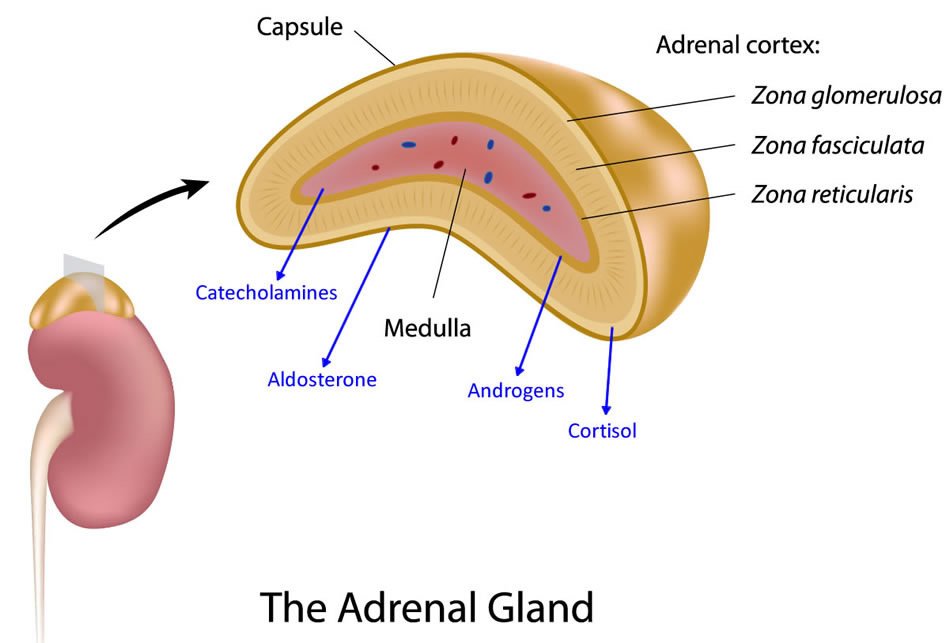
What is the adrenal gland?
The adrenal gland is a small, triangular-shaped gland located on top of each kidney. Despite its small size, the adrenal gland plays a crucial role in our body’s function. It produces hormones that help regulate our metabolism, immune system, blood pressure, and stress response.
What is the function of the adrenal gland?
The adrenal gland has two parts: the adrenal cortex and the adrenal medulla. Each part produces different hormones with distinct functions.
The adrenal cortex produces three types of hormones: glucocorticoids, mineralocorticoids, and androgens.
- Glucocorticoids: The most well-known glucocorticoid is cortisol, which is sometimes referred to as the “stress hormone.” Cortisol helps regulate glucose metabolism, inflammation, blood pressure, and the immune system. Cortisol levels are naturally higher in the morning and decrease throughout the day. When we experience stress, cortisol levels increase to help us cope with the stressor. However, chronic stress can lead to an overproduction of cortisol, which can have negative effects on our health.
- Mineralocorticoids: The primary mineralocorticoid is aldosterone, which helps regulate the balance of sodium and potassium in the body. Aldosterone acts on the kidneys to increase the reabsorption of sodium and the excretion of potassium, which helps maintain proper fluid and electrolyte balance. This helps regulate blood pressure and prevent dehydration.
- Androgens: The adrenal cortex also produces androgens, which are male sex hormones. While they are primarily produced in the testes in males and the ovaries in females, the adrenal gland also contributes to their production. Androgens are important for the development of male sex characteristics, such as facial hair and a deep voice.
The adrenal medulla produces catecholamines, which include adrenaline (also known as epinephrine) and noradrenaline (also known as norepinephrine). These hormones are released in response to stress or excitement and help prepare the body for a “fight or flight” response. Catecholamines increase heart rate, blood pressure, and respiration, and also dilate the pupils to improve vision. This response helps us react quickly to a threat or danger.
Overall, the adrenal gland plays a crucial role in regulating various bodily functions, including stress response, metabolism, fluid and electrolyte balance, and immune system function. Dysfunction in the adrenal gland, such as with adrenal disorders, can have significant effects on our health and well-being.

7 Key functions of the adrenal gland:
Function #1 Hormone Production: The adrenal glands produce and secrete various hormones that regulate numerous bodily processes. The hormones produced by the adrenal glands include cortisol, aldosterone, adrenaline (epinephrine), and noradrenaline (norepinephrine).
What happens when the adrenal glands malfunctions in hormone production?
When the adrenal glands malfunction in hormone production, it can lead to various health conditions. Here are some examples of adrenal gland disorders and their effects:
- Addison’s Disease (Adrenal Insufficiency): Addison’s disease occurs when the adrenal glands do not produce enough cortisol and, in some cases, aldosterone. Common symptoms include fatigue, weight loss, muscle weakness, low blood pressure, low blood sugar, salt cravings, and darkening of the skin. In severe cases, it can lead to an adrenal crisis, which is a life-threatening condition requiring immediate medical attention.
What remedies, if any are there for Addison’s disease?
Addison’s disease is a chronic condition characterized by insufficient production of hormones by the adrenal glands, specifically cortisol and aldosterone. While there is no cure for Addison’s disease, it can be effectively managed with lifelong treatment. Here are the main components of treatment for Addison’s disease:
1. Hormone Replacement Therapy: The cornerstone of treatment for Addison’s disease is hormone replacement therapy to replace the deficient cortisol and aldosterone. This typically involves oral corticosteroid medications, such as hydrocortisone or prednisone, which are taken daily in divided doses. In some cases, a synthetic mineralocorticoid, like fludrocortisone, may also be prescribed to replace aldosterone.
2. Medication Adjustment during Stressful Situations: During times of illness, surgery, injury, or other stressful situations, the dosage of hormone replacement medications may need to be adjusted to meet the increased demands on the body. This is known as stress dosing and is typically guided by a healthcare professional.
3. Regular Monitoring: People with Addison’s disease require regular medical monitoring to assess hormone levels, adjust medication dosages if necessary, and monitor for any potential complications or changes in the condition. This may involve periodic blood tests to check cortisol, electrolyte levels, and other relevant markers.
4. Education and Self-Management: Individuals with Addison’s disease should receive education about the condition, its management, and how to recognize and manage adrenal crises. They should be familiar with the signs and symptoms of adrenal crisis, which is a life-threatening emergency, and understand the importance of carrying an emergency injection of synthetic cortisol (e.g., hydrocortisone) for use in such situations.
5. Lifestyle Modifications: Certain lifestyle modifications can help manage Addison’s disease effectively. These include maintaining a well-balanced diet, ensuring adequate salt intake (especially in cases where aldosterone replacement is required), regular exercise, stress management techniques, and proper rest.
6. Medical Alert Identification: Wearing a medical alert bracelet or necklace that indicates the diagnosis of Addison’s disease and the need for emergency corticosteroid treatment is recommended. This can be crucial in case of an emergency when the person may not be able to communicate their condition to healthcare providers.
It’s important for individuals with Addison’s disease to work closely with their healthcare team, including an endocrinologist or a specialist in hormone disorders. They will provide personalized guidance, monitor the condition, and adjust treatment as needed to help manage symptoms, prevent complications, and optimize overall well-being.
- Cushing’s Syndrome: Cushing’s syndrome results from excessive production of cortisol by the adrenal glands or prolonged use of corticosteroid medications. Symptoms may include weight gain (especially in the face and upper body), round face (moon face), thinning skin, easy bruising, muscle weakness, high blood pressure, osteoporosis, mood swings, and increased susceptibility to infections.
What remedies, if any are there for Cushing’s syndrome?
The treatment approach for Cushing’s syndrome depends on the underlying cause of the condition. The primary goal of treatment is to normalize cortisol levels and alleviate the symptoms associated with excess cortisol production. Here are some common treatment options for Cushing’s syndrome:
1. Surgery: If Cushing’s syndrome is caused by an adrenal tumor (adrenal adenoma or carcinoma), surgery may be the primary treatment option. The surgical procedure involves removing the tumor from the adrenal gland (adrenalectomy). In some cases, if the cause is a pituitary tumor (Cushing’s disease), the tumor may be surgically removed or treated with radiation therapy.
2. Medications: In cases where surgery is not feasible or successful, or if the underlying cause is not an adrenal or pituitary tumor, medication may be prescribed to manage Cushing’s syndrome. The primary medication used is usually ketoconazole, which blocks cortisol production. Other medications, such as metyrapone, mitotane, and pasireotide, may also be used to control cortisol levels.
3. Radiation Therapy: In cases of Cushing’s disease caused by a pituitary tumor that cannot be fully removed with surgery, radiation therapy may be used to reduce the size and activity of the tumor. This can help normalize cortisol production.
4. Adrenal Enzyme Inhibitors: In certain cases of Cushing’s syndrome, particularly when the excess cortisol production is due to an enzyme abnormality, medications that inhibit specific enzymes involved in cortisol synthesis may be used. These inhibitors, such as mifepristone and osilodrostat, can help lower cortisol levels.
5. Bilateral Adrenalectomy: In rare and severe cases of Cushing’s syndrome that do not respond to other treatments or when the underlying cause cannot be identified or treated, surgical removal of both adrenal glands (bilateral adrenalectomy) may be considered. However, this option typically requires lifelong hormone replacement therapy afterward.
6. Lifestyle Modifications: Lifestyle changes may be recommended to manage the symptoms and complications associated with Cushing’s syndrome. These may include maintaining a healthy diet, managing weight, exercising regularly, and reducing stress.
It’s important to note that the choice of treatment depends on the specific circumstances of each individual case. Treatment plans should be tailored to the underlying cause, the severity of symptoms, the individual’s overall health, and other factors. Close collaboration with an endocrinologist or a specialist in hormone disorders is essential to determine the most appropriate treatment strategy for Cushing’s syndrome.
- Primary Aldosteronism (Conn’s Syndrome): This condition occurs when the adrenal glands produce too much aldosterone. It can lead to high blood pressure, low potassium levels, muscle weakness, fatigue, excessive thirst and urination, and occasional numbness or tingling.
What remedies, if any are there for primary aldosteronism?
Primary aldosteronism, also known as Conn’s syndrome, is a condition characterized by overproduction of aldosterone by the adrenal glands. The treatment for primary aldosteronism typically aims to control blood pressure, correct electrolyte imbalances, and manage the underlying cause. Here are the main treatment options for primary aldosteronism:
1. Medications:
– Mineralocorticoid Receptor Antagonists: Medications like spironolactone and eplerenone are commonly used to block the effects of aldosterone. These drugs help lower blood pressure, reduce fluid retention, and correct electrolyte imbalances caused by excess aldosterone. They are often prescribed as the first-line treatment for primary aldosteronism.
– Antihypertensive Medications: Depending on blood pressure levels and individual needs, additional antihypertensive medications may be prescribed to control blood pressure. These may include ACE inhibitors, angiotensin receptor blockers (ARBs), calcium channel blockers, or diuretics.
2. Surgery:
– Adrenalectomy: Surgical removal of the affected adrenal gland(s) may be considered in cases where primary aldosteronism is caused by an adrenal adenoma or carcinoma. This procedure is known as adrenalectomy. In some cases, if both adrenal glands are affected, partial adrenalectomy or removal of a portion of the adrenal gland may be performed to preserve adequate hormonal function.
3. Lifestyle Modifications:
– Dietary Changes: Reducing sodium intake and maintaining a well-balanced diet can help manage fluid retention and blood pressure. A dietitian or healthcare provider can provide specific recommendations.
– Weight Management: Maintaining a healthy weight or achieving weight loss, if necessary, can contribute to better blood pressure control.
– Regular Exercise: Engaging in regular physical activity can help manage blood pressure levels and improve overall cardiovascular health.
4. Ongoing Monitoring:
– Regular Follow-up: People with primary aldosteronism require regular medical monitoring to assess blood pressure, electrolyte levels, and hormone levels. Adjustments to medication dosages may be made as needed.
– Imaging Studies: Imaging studies, such as CT scans or MRI, may be performed periodically to monitor adrenal gland size and detect any changes or new tumors.
It’s important to note that the specific treatment approach for primary aldosteronism may vary depending on individual factors, such as the underlying cause, the severity of symptoms, overall health, and individual response to treatment. Close collaboration with an endocrinologist or a specialist in hormone disorders is crucial to develop an appropriate and personalized treatment plan.
- Congenital Adrenal Hyperplasia (CAH): CAH is a group of genetic disorders that affect hormone production in the adrenal glands, particularly cortisol and aldosterone. It can result in a variety of symptoms, depending on the specific type and severity of the condition. Symptoms may include ambiguous genitalia in females, early onset puberty, growth abnormalities, infertility, and electrolyte imbalances.
What remedies, if any are there for congenital adrenal hyperplasia?
Congenital adrenal hyperplasia (CAH) is a group of inherited disorders characterized by enzyme deficiencies in the adrenal glands, leading to impaired cortisol production and, in some cases, excessive androgen production. The treatment for CAH aims to replace deficient hormones, suppress excess androgen production, and manage associated symptoms. Here are the main treatment options for CAH:
1. Hormone Replacement Therapy:
– Glucocorticoids: Cortisol replacement is the cornerstone of treatment for CAH. Synthetic glucocorticoids, such as hydrocortisone or prednisolone, are prescribed to replace the deficient cortisol. These medications help regulate cortisol levels and suppress the excessive production of androgens. The dosage and timing of glucocorticoid therapy need to be carefully individualized based on age, symptoms, growth, and hormone levels.
– Mineralocorticoids: In certain forms of CAH, particularly salt-losing CAH, synthetic mineralocorticoids like fludrocortisone may be prescribed to replace deficient aldosterone and help maintain electrolyte balance.
2. Monitoring and Adjustments:
– Regular Medical Follow-up: Individuals with CAH require regular medical monitoring, including blood tests to assess hormone levels, electrolyte balance, and growth parameters. The treatment plan may be adjusted based on the individual’s response and hormone levels.
3. Lifestyle Modifications:
– Salt Supplementation: In salt-losing CAH, maintaining adequate salt intake is important to prevent electrolyte imbalances. Salt supplements or increased dietary salt intake may be recommended.
– Monitoring Growth and Development: Regular monitoring of growth and development, particularly in children with CAH, is important to ensure appropriate growth patterns and timely interventions if needed.
4. Surgical Interventions:
– Genital Surgery: In cases where CAH affects genital development and there is significant ambiguity, surgical interventions may be considered to correct or reconstruct genital anatomy. These decisions are made on an individual basis and require careful consideration by a specialized healthcare team.
5. Psychological Support and Counseling:
– Given the lifelong nature of CAH and potential challenges associated with the condition, psychological support and counseling can be beneficial for individuals and families affected by CAH. This can help address emotional well-being, body image concerns, and facilitate coping strategies.
It’s important to note that the specific treatment approach for CAH may vary depending on the type and severity of the condition, as well as individual factors. Treatment plans should be developed and monitored by a multidisciplinary team, which may include endocrinologists, pediatricians, geneticists, and other healthcare professionals with expertise in managing CAH.
- Adrenal Tumors: Adrenal tumors can be benign (noncancerous) or malignant (cancerous) and may lead to overproduction or underproduction of adrenal hormones, depending on the type of tumor. The specific effects will depend on the hormones involved and can vary widely.
What remedies, if any are there for adrenal tumors?
The treatment for adrenal tumors depends on various factors, including the type of tumor, its size, whether it is functional (producing hormones) or non-functional, and whether it is benign or malignant. Here are the main treatment options for adrenal tumors:
1. Observation and Monitoring:
– Small, non-functional tumors: If the adrenal tumor is small (less than 4 centimeters) and non-functional (not producing hormones), it may be monitored with regular imaging tests to track its growth. If the tumor remains stable and does not cause any symptoms, active treatment may not be necessary.
2. Surgery:
– Adrenalectomy: Surgical removal of the adrenal gland (adrenalectomy) is the primary treatment for adrenal tumors. The surgical approach can be either open surgery or minimally invasive laparoscopic or robotic-assisted surgery. The extent of the surgery depends on various factors, such as tumor size, location, and whether it is benign or malignant. In some cases, only the affected adrenal gland is removed (unilateral adrenalectomy), while in others, both adrenal glands are removed (bilateral adrenalectomy).
3. Hormone Replacement Therapy:
– Functional tumors: If the adrenal tumor is functional and producing excessive hormones, hormone replacement therapy may be required after surgery. For example, if a functioning adrenal tumor caused excess cortisol production (Cushing’s syndrome), glucocorticoid replacement therapy may be necessary to manage cortisol levels.
4. Chemotherapy and Radiation Therapy:
– Malignant tumors: In cases where the adrenal tumor is malignant (adrenal cancer) and has spread to other organs or tissues, additional treatment may be necessary. This may involve chemotherapy, radiation therapy, or a combination of both. Treatment plans are typically tailored to the individual situation and require the expertise of oncologists or cancer specialists.
It’s important to note that the specific treatment approach for adrenal tumors is determined by a healthcare team, which may include endocrinologists, surgeons, oncologists, and other specialists. The treatment plan is personalized based on the individual’s condition, tumor characteristics, overall health, and other factors. Prompt and accurate diagnosis, along with appropriate medical intervention, are crucial for optimal management of adrenal tumors.
- Adrenal Crisis: An adrenal crisis is a life-threatening condition that can occur in individuals with adrenal insufficiency (such as Addison’s disease) during periods of severe stress, trauma, or illness. It is characterized by a sudden and severe deficiency of adrenal hormones, leading to low blood pressure, electrolyte imbalances, dehydration, confusion, and loss of consciousness. Adrenal crisis requires immediate medical attention and treatment with intravenous steroids.
What remedies, if any are there for adrenal crisis?
Adrenal crisis is a life-threatening emergency that occurs due to a severe deficiency of cortisol (and possibly aldosterone) in individuals with adrenal insufficiency, such as those with Addison’s disease. Adrenal crisis requires immediate medical attention and treatment in a hospital setting. Here are the main remedies for adrenal crisis:
1. Emergency Medical Care:
– Call for Emergency Assistance: Adrenal crisis is a medical emergency. If you or someone you know is experiencing symptoms of adrenal crisis, such as severe weakness, dizziness, confusion, or loss of consciousness, call emergency services or go to the nearest emergency room immediately.
– Intravenous Glucocorticoid Administration: In the hospital setting, intravenous administration of high-dose glucocorticoids, such as hydrocortisone, is the primary treatment for adrenal crisis. This helps replenish cortisol levels rapidly.
– Fluid and Electrolyte Replacement: Adrenal crisis can cause dehydration and electrolyte imbalances. Intravenous fluids and electrolyte solutions may be administered to restore hydration and balance electrolyte levels.
2. Correct Underlying Cause:
– Identify and Treat the Cause: Adrenal crisis is often triggered by a stressor, such as illness, surgery, trauma, or stopping adrenal insufficiency medication abruptly. Identifying and addressing the underlying cause is essential to prevent future adrenal crises.
3. Prevention:
– Adherence to Medication: Adrenal insufficiency patients should adhere to their prescribed hormone replacement therapy (glucocorticoids and, if necessary, mineralocorticoids) as directed by their healthcare provider. Taking medication regularly and as instructed helps prevent adrenal crisis.
– Stress Dosing: During times of illness, injury, surgery, or other stressful situations, the medication dosage may need to be adjusted (stress dosing) to meet the increased demands on the body. This adjustment should be discussed and guided by a healthcare professional.
– Medical Alert Identification: Wearing a medical alert bracelet or necklace that indicates the diagnosis of adrenal insufficiency and the need for emergency corticosteroid treatment is recommended. This can help alert healthcare providers in case of an emergency.
Preventing adrenal crisis involves close collaboration with healthcare providers, regular follow-up visits, and education about the condition. Individuals with adrenal insufficiency should be aware of the signs and symptoms of adrenal crisis and have an emergency plan in place. It is crucial to promptly seek medical attention and treatment at the first signs of an adrenal crisis to prevent life-threatening complications.

Function #2 Regulation of Stress Response: The adrenal glands play a central role in the body’s response to stress. When faced with a stressful situation, the adrenal glands release cortisol, which helps the body cope with stress by increasing energy production, regulating inflammation, and influencing the immune response.
What happens when the adrenal glands malfunctions to regulate the stress response?
When the adrenal glands malfunction in regulating the stress response, it can have significant effects on the body’s ability to cope with stress. Here are some potential consequences:
- Impaired Stress Response: The adrenal glands play a crucial role in the body’s response to stress by releasing cortisol, the primary stress hormone. If the adrenal glands malfunction, cortisol production may be insufficient or dysregulated. This can result in an impaired stress response, leading to difficulty in managing stress and adapting to challenging situations.
- Increased Sensitivity to Stress: When the adrenal glands are not functioning properly, the body may become more sensitive to stressors. Even minor stressors that would typically be manageable can trigger exaggerated stress responses, leading to increased anxiety, emotional instability, and difficulty in handling day-to-day stressors.
- Fatigue and Exhaustion: Adrenal gland dysfunction can contribute to chronic fatigue and exhaustion. In conditions such as adrenal insufficiency (Addison’s disease) or adrenal fatigue (a controversial term), the adrenal glands may not produce adequate levels of cortisol to support the body’s energy needs. This can result in persistent fatigue, weakness, and a general lack of energy.
- Altered Sleep Patterns: Cortisol plays a role in regulating the sleep-wake cycle. When the adrenal glands malfunction, cortisol levels may be disrupted, leading to alterations in sleep patterns. This can manifest as difficulties falling asleep, staying asleep, or experiencing poor-quality sleep. Sleep disturbances, in turn, can exacerbate stress and fatigue.
- Emotional and Mental Health Effects: The stress response and adrenal gland function are closely intertwined with emotional and mental health. Adrenal gland dysfunction can contribute to mood swings, irritability, anxiety, and depression. Fluctuating cortisol levels can affect neurotransmitters and disrupt the balance of chemicals in the brain, leading to emotional and mental health imbalances.
- Weakened Immune Function: Cortisol, in appropriate levels, helps regulate the immune system. However, chronic stress or dysfunctional adrenal gland activity can lead to prolonged cortisol elevation or suppression, compromising immune function. This may result in increased susceptibility to infections, frequent illnesses, and difficulty in recovering from illnesses.
- Altered Metabolism and Weight Changes: Cortisol is involved in regulating metabolism and can influence weight management. Adrenal gland dysfunction can disrupt cortisol production, leading to metabolic imbalances. This can manifest as weight gain or difficulty in losing weight, particularly in the abdominal area.
Function #3 Blood Pressure Regulation: The adrenal glands produce aldosterone, a hormone that helps regulate blood pressure. Aldosterone acts on the kidneys, promoting the reabsorption of sodium and the excretion of potassium, thereby influencing fluid balance and blood pressure.
What happens when the adrenal glands malfunctions to regulate blood pressure?
When the adrenal glands malfunction in regulating blood pressure, it can result in various effects on blood pressure control and overall cardiovascular health. Here are some potential consequences:
- Hypertension (High Blood Pressure): One of the primary roles of the adrenal glands in blood pressure regulation is the production of aldosterone, a hormone that helps maintain fluid balance and electrolyte levels in the body. If the adrenal glands overproduce aldosterone (a condition called primary aldosteronism or Conn’s syndrome), it can lead to excess sodium retention and potassium loss, resulting in hypertension.
- Hypotension (Low Blood Pressure): Adrenal insufficiency, such as Addison’s disease, occurs when the adrenal glands do not produce enough cortisol and, in some cases, aldosterone. Low levels of aldosterone can cause decreased sodium retention and increased potassium levels, leading to low blood pressure (hypotension). Symptoms may include dizziness, fatigue, light-headedness, and fainting.
- Orthostatic Hypotension: Dysfunction in the adrenal glands can also affect the body’s ability to adjust blood pressure during changes in position, such as standing up. Orthostatic hypotension is characterized by a sudden drop in blood pressure upon standing, resulting in symptoms like dizziness, light-headedness, blurred vision, and even fainting. Adrenal insufficiency or impaired release of adrenaline and noradrenaline from the adrenal medulla can contribute to this condition.
- Fluid and Electrolyte Imbalances: Proper regulation of fluid balance and electrolyte levels is crucial for maintaining healthy blood pressure. Malfunctioning adrenal glands can disrupt the production of aldosterone, leading to imbalances in sodium and potassium levels. This can affect fluid retention, electrolyte balance, and blood pressure control.
- Endocrine Disorders: Certain endocrine disorders can affect the function of the adrenal glands and contribute to blood pressure irregularities. For example, conditions like pheochromocytoma, a tumor of the adrenal medulla, can cause excessive release of adrenaline and noradrenaline, leading to hypertension and episodes of severely high blood pressure.
- Cardiovascular Complications: Chronic imbalances in blood pressure regulation due to adrenal gland dysfunction can lead to various cardiovascular complications. These may include an increased risk of heart disease, heart failure, stroke, and damage to blood vessels and organs.

Function #4 Metabolism Regulation: Cortisol, produced by the adrenal glands, plays a significant role in metabolism. It helps regulate the breakdown of proteins, fats, and carbohydrates, as well as the conversion of nutrients into energy. Cortisol also influences insulin levels and glucose metabolism.
What happens when the adrenal glands malfunctions to regulate metabolism?
When the adrenal glands malfunction in regulating metabolism, it can have various effects on metabolic processes in the body. Here are some potential consequences:
- Altered Energy Balance: The adrenal glands, particularly through the production of cortisol, play a role in regulating energy metabolism. When the adrenal glands malfunction, cortisol levels may be dysregulated, leading to disruptions in energy balance. This can result in changes in appetite, increased food cravings (especially for high-calorie foods), and difficulties in maintaining a healthy weight.
- Impaired Glucose Regulation: Cortisol, produced by the adrenal glands, influences glucose metabolism and helps regulate blood sugar levels. Adrenal gland dysfunction can lead to abnormalities in cortisol production, potentially resulting in imbalances in glucose regulation. This can manifest as insulin resistance, impaired glucose tolerance, and an increased risk of developing diabetes.
- Muscle Wasting and Weakness: Cortisol, in excess levels or chronic elevation, can have catabolic effects on muscle tissues. Malfunctioning adrenal glands may result in higher cortisol production, leading to muscle wasting and weakness. This can contribute to reduced muscle mass, decreased strength, and difficulties in physical activities.
- Impaired Fat Metabolism: Adrenal gland dysfunction can disrupt the metabolism of fats. Cortisol influences the breakdown and utilization of fats in the body. Dysregulated cortisol levels may result in increased fat storage, particularly in the abdominal region. This can lead to an altered lipid profile, including higher levels of triglycerides and LDL (bad) cholesterol.
- Changes in Metabolic Rate: The adrenal glands, through the production of cortisol, can influence metabolic rate. When the adrenal glands malfunction, cortisol levels may be affected, potentially leading to changes in basal metabolic rate (BMR). An abnormal BMR can affect energy expenditure and may contribute to difficulties in weight management.
- Hormonal Imbalances: Adrenal gland dysfunction can impact the balance of various other hormones involved in metabolism, such as thyroid hormones. The adrenal glands and the thyroid gland work in coordination to regulate metabolic processes. Disruptions in adrenal gland function can influence thyroid hormone levels and metabolism.
- Impaired Stress Response and Recovery: The adrenal glands and cortisol are integral components of the body’s stress response. Dysfunction in adrenal gland activity can impair the body’s ability to respond to stress adequately and recover from stressful situations. This can contribute to chronic stress, fatigue, and difficulties in managing stress-related challenges.
Function #5 Fluid and Electrolyte Balance: The adrenal glands, through the secretion of aldosterone, help regulate the balance of water and electrolytes in the body. Aldosterone promotes the reabsorption of sodium and the excretion of potassium in the kidneys, maintaining proper fluid balance and electrolyte levels.
What happens when the adrenal glands malfunctions to balance fluid and electrolytes?
When the adrenal glands malfunction in balancing fluid and electrolytes, it can lead to various effects on fluid balance and electrolyte levels in the body. Here are some potential consequences:
- Sodium and Fluid Imbalances: The adrenal glands produce aldosterone, a hormone that helps regulate sodium and fluid balance in the body. When the adrenal glands malfunction, aldosterone production may be inadequate or dysregulated. This can result in an imbalance of sodium and fluid levels, leading to conditions such as hyponatremia (low sodium levels) or hypernatremia (high sodium levels). These imbalances can affect fluid retention, blood pressure, and overall hydration status.
- Potassium Imbalances: Along with sodium, aldosterone also plays a role in regulating potassium levels in the body. Malfunctioning adrenal glands can lead to impaired aldosterone production, which may result in imbalances of potassium levels. Hyperkalaemia (high potassium levels) or hypokalaemia (low potassium levels) can occur, affecting various physiological processes such as muscle and nerve function, heart rhythm, and blood pressure regulation.
- Dehydration and Electrolyte Loss: In certain adrenal gland disorders, such as adrenal insufficiency (Addison’s disease), the production of aldosterone may be insufficient. This can lead to excessive loss of fluids and electrolytes, causing dehydration, electrolyte imbalances, and hypotension (low blood pressure). Symptoms may include excessive thirst, fatigue, dizziness, muscle cramps, and irregular heart rhythms.
- Blood Pressure Instability: Adequate fluid and electrolyte balance, regulated in part by the adrenal glands, is crucial for maintaining blood pressure within a normal range. Malfunctioning adrenal glands can disrupt fluid and electrolyte homeostasis, leading to blood pressure instability. This can result in episodes of hypotension or hypertension, depending on the specific adrenal disorder and its impact on aldosterone production.
- Acid-Base Imbalances: The adrenal glands and aldosterone also influence the acid-base balance in the body. Imbalances in aldosterone production can disrupt the excretion and reabsorption of hydrogen ions and bicarbonate in the kidneys, affecting pH regulation and potentially leading to acidosis or alkalosis.
- Thirst Regulation: The adrenal glands, through the production of hormones like aldosterone, can influence the sensation of thirst. Dysfunctional adrenal glands may disrupt the body’s ability to regulate thirst appropriately, leading to excessive thirst or reduced thirst perception. This can affect fluid intake and further contribute to fluid and electrolyte imbalances.
Function #6 Immune System Regulation: Cortisol, produced by the adrenal glands, has immunosuppressive effects, which help regulate the immune response. It can reduce inflammation and suppress immune system activity in certain situations.
What happens when the adrenal glands malfunctions to regulate he immune system?
When the adrenal glands malfunction in regulating the immune system, it can have various effects on immune function and overall immune response. Here are some potential consequences:
- Increased Susceptibility to Infections: The adrenal glands play a role in modulating the immune response through the production of cortisol. Dysregulation or dysfunction of the adrenal glands can result in altered cortisol levels, which can impact immune function. If cortisol levels are too low or too high, it can lead to a compromised immune system, making individuals more susceptible to infections, including bacterial, viral, and fungal infections.
- Impaired Inflammatory Response: Cortisol, produced by the adrenal glands, has anti-inflammatory properties. It helps regulate and suppress excessive inflammation in the body. Malfunctioning adrenal glands can disrupt cortisol production, leading to an imbalance in the inflammatory response. This can result in either excessive inflammation or a blunted immune response, compromising the body’s ability to mount an appropriate immune response to pathogens or injuries.
- Autoimmune Disorders: Dysregulation in the immune system, including autoimmune disorders, can be associated with adrenal gland dysfunction. Autoimmune disorders occur when the immune system mistakenly attacks the body’s own tissues. Conditions such as autoimmune adrenalitis (which can lead to adrenal insufficiency) or autoimmune polyendocrine syndrome (APS) can affect adrenal gland function, resulting in immune system dysregulation and autoimmune responses.
- Delayed Healing and Recovery: The immune system plays a crucial role in wound healing and tissue repair. Malfunctioning adrenal glands can impact immune cell function and the release of immune mediators involved in the healing process. This can lead to delayed healing, prolonged recovery from illnesses or injuries, and impaired tissue repair.
- Allergic Reactions and Hypersensitivity: Adrenal gland dysfunction can influence the immune system’s response to allergens and hypersensitivity reactions. Altered cortisol levels can affect the balance between pro-inflammatory and anti-inflammatory responses, potentially leading to an increased risk of allergies, hypersensitivity reactions, or exacerbation of existing allergic conditions.
- Adrenal Crisis and Infections: In individuals with adrenal insufficiency (e.g., Addison’s disease) where the adrenal glands do not produce sufficient cortisol, the immune system may be compromised. During periods of severe stress, trauma, or infections, an adrenal crisis can occur, characterized by a sudden and severe deficiency of adrenal hormones. Adrenal crisis poses a significant risk to the individual’s health and requires immediate medical attention.
Function #7 Development of Secondary Sexual Characteristics: The adrenal glands produce small amounts of androgens, which are male sex hormones. These androgens contribute to the development of secondary sexual characteristics in both males and females.
What happens when the adrenal glands malfunctions and creates secondary sexual characteristics?
The adrenal glands do not directly control the development of secondary sexual characteristics. The primary responsibility for the development of secondary sexual characteristics lies with the gonads (testes in males, ovaries in females), which produce sex hormones such as testosterone and estrogen.
However, in rare cases of adrenal gland disorders, particularly adrenal tumors or certain conditions affecting hormone production, there can be an impact on secondary sexual characteristics. Here are a few examples:
- Virilization in Females: Conditions like adrenal hyperplasia or adrenal tumors can cause excessive production of androgens (male sex hormones) by the adrenal glands. This excess androgen production can lead to virilization in females, which is the development of male secondary sexual characteristics. Symptoms may include the growth of facial and body hair, deepening of the voice, clitoromegaly (enlargement of the clitoris), and male-pattern baldness.
- Feminization in Males: In rare cases, adrenal tumors or certain adrenal disorders can lead to the overproduction of estrogens or estrogen-like compounds. This can result in feminization in males, leading to the development of female secondary sexual characteristics. Symptoms may include breast enlargement (gynecomastia), decreased body hair, changes in fat distribution, and reduced libido.
Overall, the adrenal glands are essential for maintaining homeostasis, responding to stress, regulating metabolism, influencing blood pressure, and supporting various physiological processes in the body.

What are some indicator signs of adrenal gland malfunctions?
Adrenal gland malfunctions can manifest in various ways, depending on the specific condition and the hormones involved. Here are some common signs and symptoms that may indicate adrenal gland dysfunction:
1. Fatigue and Weakness: Adrenal gland disorders can cause chronic fatigue, excessive tiredness, and a general sense of weakness. This may be especially pronounced in the morning or during times of stress.
2. Weight Changes: Unexplained weight loss or weight gain can be a sign of adrenal gland dysfunction. In some cases, excessive cortisol production (Cushing’s syndrome) can lead to weight gain, particularly around the abdomen, while adrenal insufficiency (Addison’s disease) may cause weight loss.
3. Changes in Blood Pressure: Adrenal gland disorders can affect blood pressure regulation. Excessive production of aldosterone (primary aldosteronism) can lead to high blood pressure, while adrenal insufficiency can cause low blood pressure, especially when standing up (orthostatic hypotension).
4. Skin Changes: Certain adrenal disorders can cause changes in the skin. For example, excessive cortisol production can lead to thinning of the skin, stretch marks, and easy bruising. In contrast, adrenal insufficiency can cause hyperpigmentation (darkening) of the skin, particularly in areas exposed to the sun or pressure points.
5. Hormonal Imbalances: Adrenal gland dysfunction can disrupt the balance of various hormones in the body, leading to specific symptoms. For example:
– Excessive androgens (male hormones) in females can cause hirsutism (excessive hair growth), acne, menstrual irregularities, and male-pattern hair loss.
– Adrenal insufficiency can result in low levels of cortisol and aldosterone, leading to electrolyte imbalances, dizziness, salt cravings, and dehydration.
6. Mood and Emotional Changes: Adrenal gland disorders can impact mood and emotional well-being. Excessive cortisol production can cause anxiety, irritability, and mood swings, while adrenal insufficiency can lead to depression, apathy, and a reduced ability to handle stress.
7. Digestive Issues: Adrenal gland dysfunction can affect the digestive system, leading to symptoms such as nausea, abdominal pain, diarrhea, or constipation.
8. Muscle and Joint Pain: Muscle weakness, aches, and joint pain can occur as a result of adrenal gland disorders.
It’s important to note that these signs and symptoms can overlap with other medical conditions, and each adrenal disorder may present with its specific set of symptoms. If you suspect adrenal gland dysfunction, it is crucial to consult with a healthcare professional for a proper evaluation, diagnosis, and appropriate management.

What mental exercises can be done to cope in case of adrenal gland malfunctions?
While mental exercises cannot directly address or cure adrenal gland malfunctions, they can be helpful in managing the emotional and psychological aspects associated with these conditions. Here are some mental exercises that may help cope with adrenal gland malfunctions:
1. Stress Management Techniques: Engaging in stress management practices can help reduce overall stress levels, which can be beneficial for individuals with adrenal gland malfunctions. Techniques such as deep breathing exercises, meditation, mindfulness, progressive muscle relaxation, and yoga can promote relaxation and provide a sense of calm.
2. Cognitive Behavioral Therapy (CBT): CBT is a therapeutic approach that focuses on identifying and modifying negative thought patterns and behaviors. It can be helpful in managing anxiety, depression, or other emotional challenges associated with adrenal gland malfunctions. Working with a trained therapist can provide strategies to address negative thinking, develop coping skills, and improve overall well-being.
3. Support Networks: Building a support network of friends, family, or support groups can provide emotional support and understanding. Sharing experiences, concerns, and insights with others facing similar challenges can help reduce feelings of isolation and provide a sense of belonging.
4. Relaxation Techniques: Incorporating relaxation techniques into your daily routine can help reduce stress and promote a sense of well-being. This can include activities such as taking warm baths, engaging in hobbies or creative outlets, listening to calming music, spending time in nature, or practicing mindfulness.
5. Self-Care and Lifestyle Modifications: Prioritizing self-care is crucial in managing adrenal gland malfunctions. This includes getting adequate sleep, maintaining a healthy and balanced diet, engaging in regular physical activity suitable for your condition, and setting boundaries to manage stress levels effectively.
6. Education and Empowerment: Educate yourself about your specific adrenal gland condition. Understanding the causes, symptoms, and treatment options can help you actively participate in your healthcare journey and make informed decisions. Stay updated with reputable sources, attend educational workshops or webinars, and engage with healthcare professionals to enhance your knowledge.
Are there any foods that can aid in the functioning of the adrenal gland?
While there are no specific foods that directly aid in the functioning of the adrenal glands, maintaining a balanced and nutritious diet is important for overall health and well-being, which indirectly supports the proper functioning of the adrenal glands. Here are some dietary recommendations that promote overall health and may be beneficial for adrenal gland function:
1. Balanced Macronutrients: Consume a well-balanced diet that includes a mix of carbohydrates, proteins, and healthy fats. Include whole grains, lean proteins (such as poultry, fish, legumes), and healthy fats (such as avocados, nuts, and olive oil) in your meals.
2. Fruits and Vegetables: Incorporate a variety of fruits and vegetables into your diet. These provide essential vitamins, minerals, and antioxidants that support overall health and immune function. Opt for a colorful array of fruits and vegetables to maximize nutrient intake.
3. Magnesium-Rich Foods: Magnesium plays a role in various physiological processes, including adrenal function. Include magnesium-rich foods such as leafy green vegetables, nuts, seeds, legumes, and whole grains in your diet.
4. Vitamin C-Rich Foods: Vitamin C is involved in the production of adrenal hormones. Include foods like citrus fruits (oranges, lemons), berries, bell peppers, kiwi, and leafy greens, which are good sources of vitamin C.
5. Healthy Hydration: Proper hydration is essential for overall health, including adrenal function. Drink an adequate amount of water throughout the day to maintain hydration.
6. Avoid Excessive Caffeine and Sugar: Limit your intake of caffeine and sugary foods, as excessive consumption can disrupt sleep patterns and potentially impact adrenal function.
Here are a few lovely recipes to try that would benefit your overall health.
Quinoa and Avocado Salad with Grilled Chicken
This recipe that incorporates elements such as carbohydrates, proteins, and healthy fats, while including whole grains, lean proteins, and healthy fats:
Ingredients:
- 1 cup cooked quinoa
- 1 grilled chicken breast, sliced
- 1 ripe avocado, diced
- 1 cup cherry tomatoes, halved
- 1/4 cup red onion, thinly sliced
- 1/4 cup cucumber, diced
- 2 tablespoons chopped fresh cilantro or parsley
- 2 tablespoons extra virgin olive oil
- 1 tablespoon freshly squeezed lemon juice
- Salt and pepper to taste
Instructions:
- In a large bowl, combine the cooked quinoa, grilled chicken breast, avocado, cherry tomatoes, red onion, cucumber, and chopped cilantro or parsley.
- In a separate small bowl, whisk together the extra virgin olive oil, lemon juice, salt, and pepper to make the dressing.
- Pour the dressing over the salad and toss gently to coat all the ingredients.
- Adjust the seasoning if needed.
- Serve the salad immediately or refrigerate for later use.
This recipe provides a balanced combination of carbohydrates from quinoa, proteins from grilled chicken, and healthy fats from avocado and olive oil. Feel free to customize the recipe by adding additional vegetables or incorporating different herbs and spices to suit your taste preferences. Enjoy!

Veggie Stir-Fry with Quinoa
This is a recipe that incorporates a variety of fruits and vegetables, providing essential vitamins, minerals, and antioxidants that support overall health and immune function:
Ingredients:
- 1 cup cooked quinoa
- 1 tablespoon olive oil
- 1 small onion, thinly sliced
- 2 cloves garlic, minced
- 1 red bell pepper, thinly sliced
- 1 yellow bell pepper, thinly sliced
- 1 medium zucchini, thinly sliced
- 1 cup broccoli florets
- 1 cup snap peas
- 1 cup sliced carrots
- 1 cup cherry tomatoes, halved
- 2 tablespoons low-sodium soy sauce or tamari (gluten-free option)
- 1 tablespoon honey or maple syrup (optional for sweetness)
- 1 teaspoon grated fresh ginger
- Juice of 1 lime
- Salt and pepper to taste
- Fresh cilantro or basil for garnish (optional)
Instructions:
- Heat olive oil in a large skillet or wok over medium heat.
- Add the onion and garlic to the skillet and sauté for 2-3 minutes until fragrant and slightly softened.
- Add the bell peppers, zucchini, broccoli, snap peas, and carrots to the skillet. Stir-fry for about 5-7 minutes until the vegetables are tender-crisp.
- In a small bowl, whisk together the soy sauce (or tamari), honey (or maple syrup), grated ginger, lime juice, salt, and pepper.
- Add the cooked quinoa, cherry tomatoes, and the soy sauce mixture to the skillet. Stir well to combine and cook for an additional 2-3 minutes to heat through.
- Adjust the seasoning if needed.
- Remove from heat and garnish with fresh cilantro or basil (if desired).
- Serve the rainbow veggie stir-fry with quinoa as a nutritious and colorful meal.
This recipe incorporates a variety of colorful vegetables, providing essential vitamins, minerals, and antioxidants. Feel free to add other vegetables of your choice and adjust the seasoning according to your taste preferences. Enjoy the vibrant and nourishing flavors!

Spinach and Chickpea Salad with Lemon-Tahini Dressing
Here’s a recipe that incorporates magnesium-rich foods:
Ingredients:
- 4 cups fresh spinach leaves
- 1 cup cooked chickpeas (canned or cooked from dry)
- 1 medium cucumber, diced
- 1 small red onion, thinly sliced
- 1/4 cup crumbled feta cheese (optional)
- 1/4 cup toasted pumpkin seeds
- 2 tablespoons fresh lemon juice
- 2 tablespoons tahini
- 2 tablespoons extra virgin olive oil
- 1 clove garlic, minced
- 1/2 teaspoon ground cumin
- Salt and pepper to taste
Instructions:
- In a large bowl, combine the fresh spinach leaves, cooked chickpeas, diced cucumber, sliced red onion, crumbled feta cheese (if using), and toasted pumpkin seeds.
- In a separate small bowl, whisk together the fresh lemon juice, tahini, extra virgin olive oil, minced garlic, ground cumin, salt, and pepper to make the dressing.
- Drizzle the lemon-tahini dressing over the salad and toss gently to coat all the ingredients.
- Adjust the seasoning if needed.
- Serve the spinach and chickpea salad immediately as a refreshing and magnesium-rich meal.
This recipe includes magnesium-rich foods like spinach, chickpeas, and pumpkin seeds. It provides a balance of flavors and textures, along with the benefits of essential nutrients. Customize the recipe by adding other vegetables or herbs to suit your taste preferences. Enjoy the nourishing and delicious salad!

We highly encourage readers to explore the provided reading references for more in-depth information on adrenal gland dysfunction. These valuable resources, curated by reputable organizations and experts in the field, offer comprehensive insights into various conditions related to the adrenal glands. By delving into these readings, you can deepen your understanding of specific disorders such as adrenal insufficiency, Cushing’s syndrome, primary aldosteronism, congenital adrenal hyperplasia, adrenal tumors, and adrenal crisis. Remember, knowledge is empowering, and equipping yourself with accurate information can help you make informed decisions and engage in meaningful discussions with healthcare professionals. Embrace the opportunity to embark on a journey of learning and discover invaluable insights into the intricacies of adrenal gland dysfunction.
“Adrenal Insufficiency and Addison’s Disease” – National Institute of Diabetes and Digestive and Kidney Diseases (NIDDK)
“Cushing’s Syndrome” – National Institute of Diabetes and Digestive and Kidney Diseases (NIDDK)
Website: https://www.niddk.nih.gov/health-information/endocrine-diseases/cushings-syndrome
“Primary Aldosteronism” – American Association of Clinical Endocrinologists (AACE)
Website: https://www.aace.com/disease-state-resources/primary-aldosteronism
“Congenital Adrenal Hyperplasia” – National Organization for Rare Disorders (NORD)
Website: https://rarediseases.org/rare-diseases/congenital-adrenal-hyperplasia/
“Adrenal Tumors” – American Cancer Society (ACS)
“Adrenal Crisis” – National Adrenal Diseases Foundation (NADF)
Website: https://www.nadf.us/adrenal-diseases/adrenal-crisis/
Disclaimer:
The information provided in this blog post is solely for educational and informational purposes, designed to enhance your understanding. It is not intended to replace the expertise and guidance of a qualified medical professional. To address any concerns or queries related to a medical condition, it is always recommended to seek advice from your healthcare provider or a qualified medical practitioner.
Understanding that medical knowledge and guidelines are subject to evolution and individual circumstances differ, the content of this blog post is based on general knowledge available at the time of writing. Consequently, the information presented here may not be universally applicable or suitable.
The authors and creators of this blog post do not make any warranties or guarantees, either expressed or implied, regarding the accuracy, completeness, reliability, or suitability of the information provided. They hereby disclaim any responsibility or liability for any direct or indirect consequences arising from the utilization or reliance on the information contained within this blog post.
Regarding medical conditions and their treatment, it is imperative to discuss them with a healthcare professional or qualified medical practitioner. For personalized advice and guidance tailored specifically to your own situation, it is important to consult with a healthcare provider.
To summarize, it is important to note that the information presented in this blog post should not be viewed as medical advice, diagnosis, or treatment. Always consult with a qualified healthcare professional to ensure proper evaluation, accurate diagnosis, and personalized medical care.
 MimiiMeis